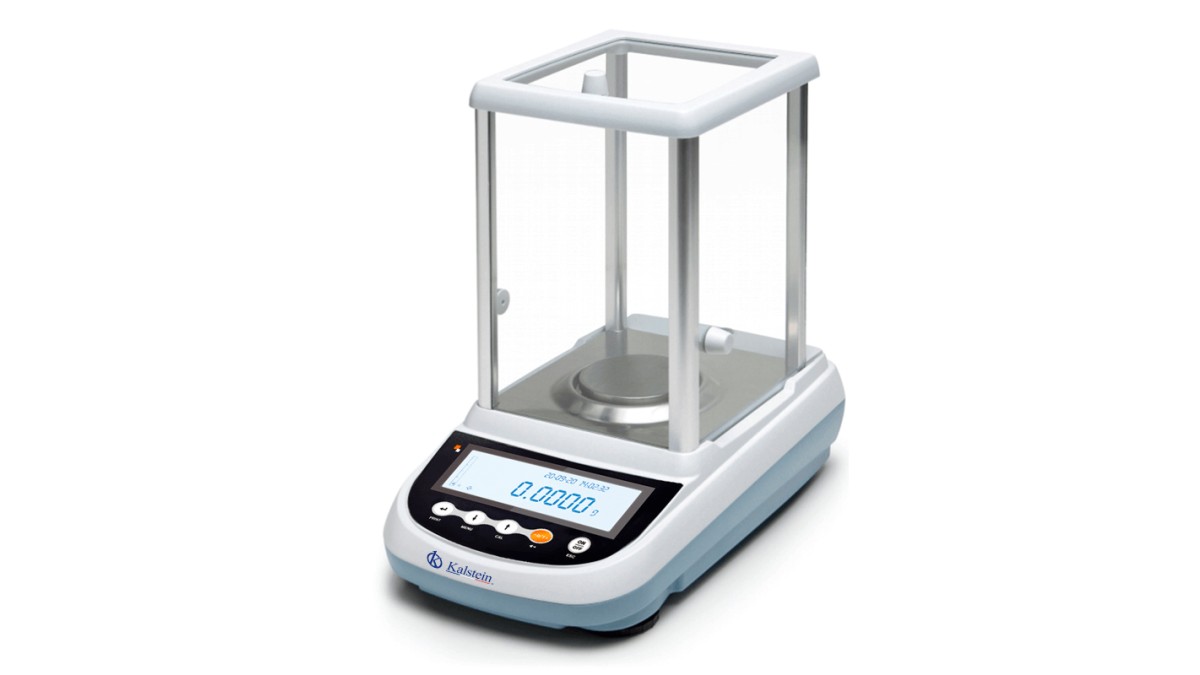
Analytical Balances: Practical Applications and Techniques 2026
Analytical balances are essential tools used in laboratories for precise measurements, often crucial in research, biotechnology, and academic settings. In 2026, their applications continue to expand, driven by technological advances and the increasing demand for accuracy in various scientific endeavors. This article aims to explore the functionality, protocols, and practical applications of analytical balances in a comprehensive manner.
What is it used for in 2026
In 2026, analytical balances have a broad range of applications across multiple scientific fields. They are primarily used for:
- Research: Precise weight measurements are critical in experiments, particularly in chemical and biological research.
- Pharmaceuticals: Ensuring accurate dosage formulations is paramount in drug development and testing.
- Biotechnology: Analytical balances aid in the formulation of biotechnological products, ensuring consistency and quality.
- Food and Beverage: Quality control in food production often requires precise measurements to adhere to safety regulations.
- Academic Laboratories: Teaching institutions utilize analytical balances for experiments that demonstrate principles of mass and measurement in science education.
History and evolution of the technology
The evolution of analytical balances can be traced back to basic weighing scales used in Ancient Egypt. However, significant advancements occurred during the 18th century when the invention of the beam balance laid the groundwork for more precise measuring devices. The introduction of electronic balances in the late 20th century marked a significant leap forward, enabling users to achieve higher levels of accuracy and ease of use. Continuous innovation has led to the current generation of analytical balances that feature internal calibration, enhanced readability, and user-friendly interfaces, making them indispensable in modern laboratories.
How to use it step by step
Using an analytical balance involves several steps to ensure accurate measurements:
- Preparation: Place the analytical balance on a stable, vibration-free surface away from drafts and temperature fluctuations.
- Calibration: Perform an internal calibration as per the manufacturer's instructions to ensure accuracy.
- Setup: Turn on the balance and allow it to warm up. Ensure the balance is level using the built-in leveling feet.
- Weighing: Use an appropriate weighing container and tare the balance to zero before placing the sample.
- Record: After stabilization, record the weight displayed on the screen, ensuring to follow protocol for multiple measurements if necessary.
- Clean-up: After use, clean the balance surface and any tools used to avoid cross-contamination.
Best techniques and protocols
To achieve the best results when using analytical balances, adhere to the following techniques and protocols:
- Minimize Air Currents: Use draft shields to minimize air currents that can affect measurements.
- Temperature Control: Ensure that the temperature around the balance is stable to prevent thermal drift.
- Consistent Sample Handling: Always use gloves or tweezers when handling samples to avoid contamination or moisture from hands.
- Regular Maintenance: Conduct routine checks and maintenance on the balance, including regular calibration and cleaning.
Practical applications by laboratory type
Different types of laboratories utilize analytical balances for various applications:
- Chemistry Laboratories: Used for precise chemical formulation and analysis.
- Biology Laboratories: Essential for weighing biological samples and reagents.
- Pharmaceutical Laboratories: Crucial for accurate drug formulation and quality control.
- Food Safety Testing: Used to weigh samples for nutritional analysis and contamination testing.
Regulations, standards and certifications
Analytical balances must comply with various regulations and standards to ensure accuracy and reliability. These include:
- ISO Standards: Many analytical balances are manufactured according to ISO 9001 standards, ensuring quality management systems are in place.
- ASTM Standards: Ensures balances meet specific testing and performance standards during use in laboratories.
- GLP Compliance: Good Laboratory Practice regulations require consistent and accurate measurements for reliable research outcomes.
Comparison with alternative technologies
When compared with alternative weighing technologies like mechanical balances or load cells, analytical balances offer several advantages:
- Higher Precision: Analytical balances provide superior accuracy and readability, making them essential in sensitive applications.
- Ease of Use: Electronic displays and automatic calibration features simplify operation and reduce the chance of user error.
- Faster Measurements: Electronic balances can provide results much quicker than traditional mechanical balances.
Comparison of available models
| Model | Best for | Key specs | Recommended use case |
|---|---|---|---|
| YR05568 | High precision measurements | 220g capacity, 0.1mg resolution | General laboratory applications |
| YR05569 | Calibration and accuracy | 310g capacity, 0.1mg resolution | Pharmaceuticals and research |
| YR05570 | Versatile applications | 410g capacity, 0.1mg resolution | Biotechnology and food testing |
| YR05571 | High-end precision | 510g capacity, 0.1mg resolution | Advanced research laboratories |
| YR05572 | Top tier quality | 610g capacity, 0.1mg resolution | Quality control in industries |
| YR05573 | Jewelry precision | 100g capacity, 0.0001g resolution | Jewelry and high precision tasks |
Common mistakes and how to avoid them
In the use of analytical balances, several common mistakes can occur:
- Neglecting Calibration: Failing to calibrate the balance regularly can lead to inaccurate measurements. Always perform calibration as required.
- Ignoring Environmental Conditions: Measurements can be affected by temperature and airflow; ensure the balance is in a controlled environment.
- Improper Sample Handling: Using bare hands or unclean containers can introduce contamination. Always use clean tools.
Maintenance, calibration and good practices 2026
Maintaining analytical balances involves several crucial steps:
- Regular Calibration: Perform internal and external calibrations as recommended by the manufacturer.
- Cleaning: Clean the surface of the balance daily to prevent contamination and maintain accuracy.
- Routine Checks: Regularly check the level of the balance and ensure it remains stable during use.
Cost-benefit analysis 2026
The investment in an analytical balance can yield significant benefits in terms of accuracy and reliability:
- Accuracy: Investing in a high-quality analytical balance minimizes errors during measurements, leading to more reliable results.
- Time Savings: Faster measurements and automated calibration save time and labor in laboratory operations.
- Long-term Use: Quality analytical balances are designed for longevity, reducing the need for frequent replacements.
Frequently asked questions
How do I choose the right analytical balance for my laboratory?
Selecting the right analytical balance involves considering factors such as maximum capacity, readability (resolution), and specific applications for your laboratory needs. It's important to evaluate the features that align with your intended use.
What is the importance of calibration in analytical balances?
Calibration ensures that the measurements taken by the analytical balance are accurate. Regular calibration prevents inconsistencies and errors that could impact research or product quality.
Can I use an analytical balance for weighing liquids?
Yes, you can use an analytical balance for liquids, but ensure to use appropriate containers that minimize evaporation and spillage, such as weighing boats or beakers.
How often should I clean my analytical balance?
It is recommended to clean your analytical balance after each use, especially if handling different substances that might cause cross-contamination.
What are the main factors affecting the accuracy of measurements?
Factors such as environmental conditions (temperature, humidity, air currents), sample handling, and calibration can significantly affect the accuracy of measurements in an analytical balance.
What should I do if my analytical balance shows fluctuating readings?
Fluctuating readings may indicate calibration issues, drafts, or uneven surfaces. First, ensure the balance is level, free from drafts, and recalibrate it if necessary. If problems persist, consult the manufacturer's guidelines.
How can I optimize the performance of my analytical balance?
To optimize performance, keep the balance calibrated, maintain it regularly, use it in a stable environment, and handle samples with care to avoid contamination.
If you are looking for a fusion of innovation and quality, you have come to the right place. At Kalstein, we offer you the luxury of exploring our exclusive catalog of laboratory equipment. We manufacture every device to the highest standards of excellence. Our intuitive and seamless online purchasing channels are designed for your convenience, securing the most competitive prices. Hesitate no longer — we bring science to life, it is time to become part of our community.