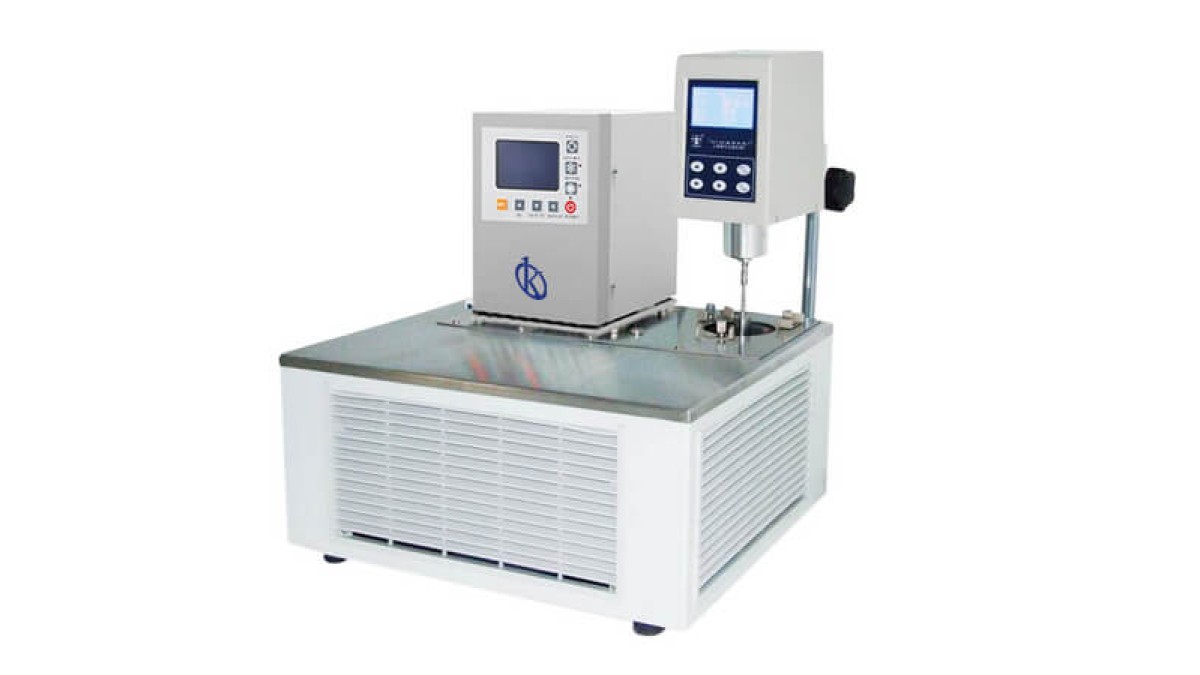
Bath Circulators: Common Errors and How to Avoid Them in Daily Operations 2026
In laboratory environments, bath circulators are essential for maintaining precise temperature control for various applications, including chemical synthesis, sample testing, and biological experiments. Despite their importance, many users encounter common operational errors that can lead to inefficient workflows and compromised results. This article will delve into the applications, historical evolution, best practices, and common mistakes when using bath circulators in 2026.
What is it used for in 2026
In 2026, bath circulators serve critical roles in laboratories across various fields. They are used to control and maintain the temperature of liquids within a defined range, typically from -40°C to 100°C. This precision is vital for experiments that require stable temperatures, such as:
- Viscosity measurements
- Chemical reactions requiring specific thermal conditions
- Biological assays that depend on temperature-sensitive reactions
- Calibration of instruments that require consistent temperature environments
Bath circulators also find applications in temperature-sensitive tests in electronics, synthesis chemistry for reaction control, and even in life sciences for biological sample preparations.
History and evolution of the technology
The evolution of bath circulators dates back several decades, starting from basic water baths to sophisticated programmable circulators. Early water baths provided limited temperature control, often with significant fluctuations. As technology advanced, PID (Proportional-Integral-Derivative) control methods were introduced, allowing for precise temperature settings and stability.
Over time, innovations such as digital displays, enhanced circulation pumps, and improved insulation materials have been integrated into bath circulators. The introduction of models like the YR04985, YR04999, and others represents the peak of this evolution, combining user-friendliness with advanced cooling and heating systems.
How to use it step by step
Using a bath circulator effectively involves several key steps:
- Preparation: Ensure the bath circulator is clean and free of any previous fluids. Check for damage or wear on seals and components.
- Setup: Fill the bath with the appropriate liquid, ensuring it reaches the minimum fill line. Connect the device to a power source.
- Temperature Setting: Use the control panel to set the desired temperature. Familiarize yourself with the PID control settings for optimal performance.
- Monitoring: Continuously monitor the temperature via the digital display. Note any fluctuations and adjust settings as needed.
- Experimentation: Conduct your experiments, ensuring to maintain necessary safety protocols.
- Post-Use Cleaning: After use, clean the device thoroughly to prevent contamination. Allow it to dry completely before storage.
Best techniques and protocols
To maximize the efficiency and lifespan of bath circulators, users should adhere to the following techniques and protocols:
- Regularly calibrate the equipment to ensure accuracy.
- Use appropriate fluids based on the temperature range and desired outcomes.
- Implement proper safety measures to avoid overheating and damage.
- Maintain a clean working environment to prevent contamination.
- Document all experiments and settings for reproducibility.
Practical applications by laboratory type
Various laboratories utilize bath circulators for different applications:
Chemical Laboratories
In chemical laboratories, bath circulators are essential for conducting reactions under controlled temperatures, ensuring consistent results.
Biological Laboratories
Biological assays often require precise temperature maintenance for incubations and reactions, making bath circulators invaluable for life science research.
Material Science Laboratories
In material science, they are used to test the properties of materials under varied thermal conditions.
Regulations, standards and certifications
Laboratory equipment, including bath circulators, must adhere to various safety regulations and standards such as ISO 9001 for quality management systems and ISO 13485 for medical devices. Compliance with these standards ensures equipment reliability, safety, and effectiveness in laboratory practices.
Comparison with alternative technologies
While bath circulators are widely used, alternative technologies such as immersion thermostats and traditional water baths can be considered. However, bath circulators offer superior temperature stability, faster heating and cooling times, and greater versatility.
Comparison of available models
| Model | Best for | Key specs | Recommended use case |
|---|---|---|---|
| YR04985 | High-precision viscosity measurements | Temperature range: -5 ~ 99.9°C, PID control, 1000W power | Laboratory testing requiring stable viscosity conditions |
| YR04999 | Comprehensive temperature control | Temperature range: -30 ~ 100°C, high efficiency | Various experiments in chemical synthesis and life sciences |
| YR04996 | Temperature-sensitive experiments | Temperature range: -5 ~ 100°C, large circulation flow | Biological assays and electronic component tests |
| YR04988 | Chemical reactions requiring stability | Temperature range: -20 ~ 100°C, efficient cooling | Chemical synthesis and material testing |
| YR04989 | Complex synthesis processes | Temperature range: -30 ~ 100°C, robust design | Industrial applications requiring extensive temperature control |
| YR04986 | Routine laboratory use | Temperature range: -5 ~ 100°C, PID control | General laboratory applications |
Common mistakes and how to avoid them
Several common errors can compromise the effectiveness of bath circulators:
- Incorrect fluid levels: Always ensure the bath is filled to the correct level to avoid overheating and damage.
- Neglecting calibration: Regularly calibrate equipment to maintain accuracy.
- Ignoring maintenance: Clean and check equipment regularly to prevent failure.
- Overloading: Avoid exceeding the equipment’s specifications to ensure efficiency and longevity.
Maintenance, calibration and good practices 2026
To ensure optimal performance, follow these maintenance practices:
- Perform regular calibrations every few months, or as required by your laboratory protocols.
- Inspect seals, pumps, and heating elements for wear and tear.
- Clean the bath circulator after each use to prevent contamination.
- Document maintenance activities to track performance over time.
Cost-benefit analysis 2026
Bath circulators are a significant investment for laboratories. However, their efficiency in maintaining precise temperatures and reducing experimental variability can lead to higher quality results and savings in time and resources. When considering a purchase, weigh the initial costs against the potential improvements in workflow and outcomes.
Frequently asked questions
What should I consider when choosing a bath circulator?
When selecting a bath circulator, consider the temperature range, the size of the bath, flow rate, and the specific applications you will be using it for. Ensure the model meets your laboratory's requirements.
How do I maintain a bath circulator?
Regular maintenance includes cleaning the unit after use, checking fluid levels, calibrating the temperature settings, and inspecting for any signs of wear or malfunction to ensure reliability.
Can I use any liquid in a bath circulator?
No, it's important to use fluids that are compatible with the materials of the circulator and suitable for the temperature range you are working with. Common options include water and specialized fluids for specific applications.
What is the importance of calibration?
Calibration is crucial for ensuring that the bath circulator maintains the correct temperature, which directly affects the accuracy and reproducibility of your experiments.
How often should I check the temperature accuracy?
Temperature accuracy should be checked regularly, ideally every month or before critical experiments, to ensure reliable results.
What are the safety measures I should take while using a bath circulator?
Always follow the manufacturer's safety guidelines, ensure proper ventilation, monitor for overheating, and use protective equipment as necessary.
Where can I find the best bath circulators for my laboratory?
For high-quality bath circulators tailored to your laboratory needs, consider reaching out for a quote on Kalstein Plus to explore a range of options.
If you are looking for a fusion of innovation and quality, you have come to the right place. At Kalstein, we offer you the luxury of exploring our exclusive catalog of laboratory equipment. We manufacture every device to the highest standards of excellence. Our intuitive and seamless online purchasing channels are designed for your convenience, securing the most competitive prices. Hesitate no longer — we bring science to life, it is time to become part of our community.