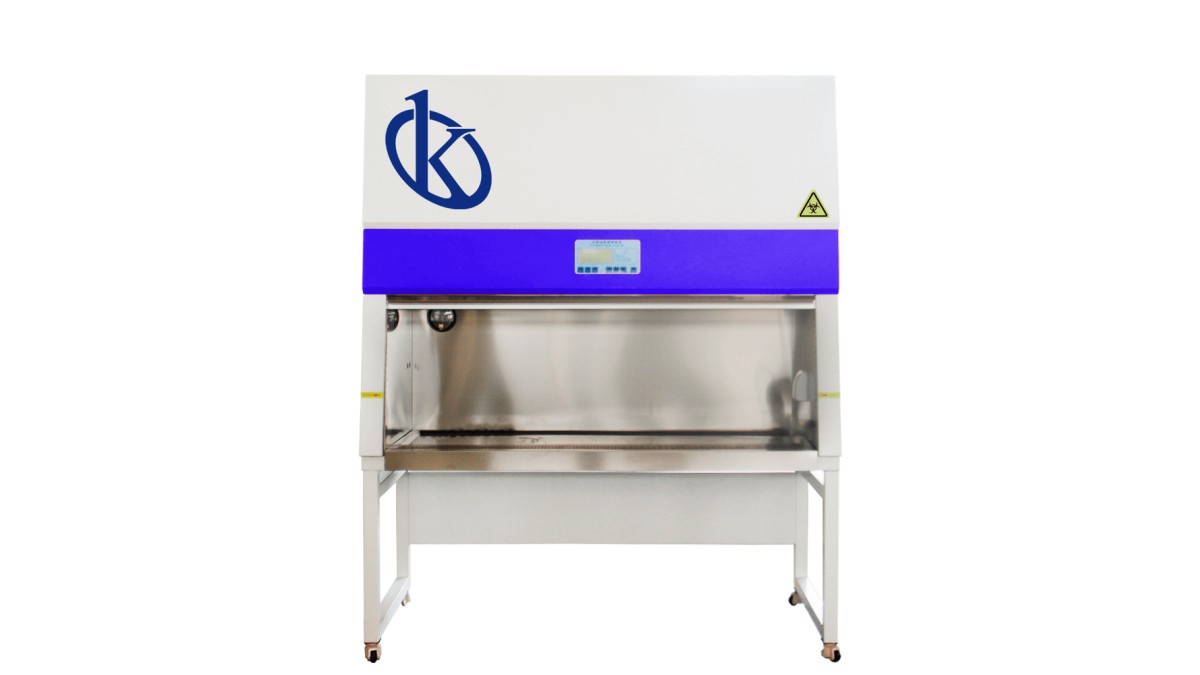
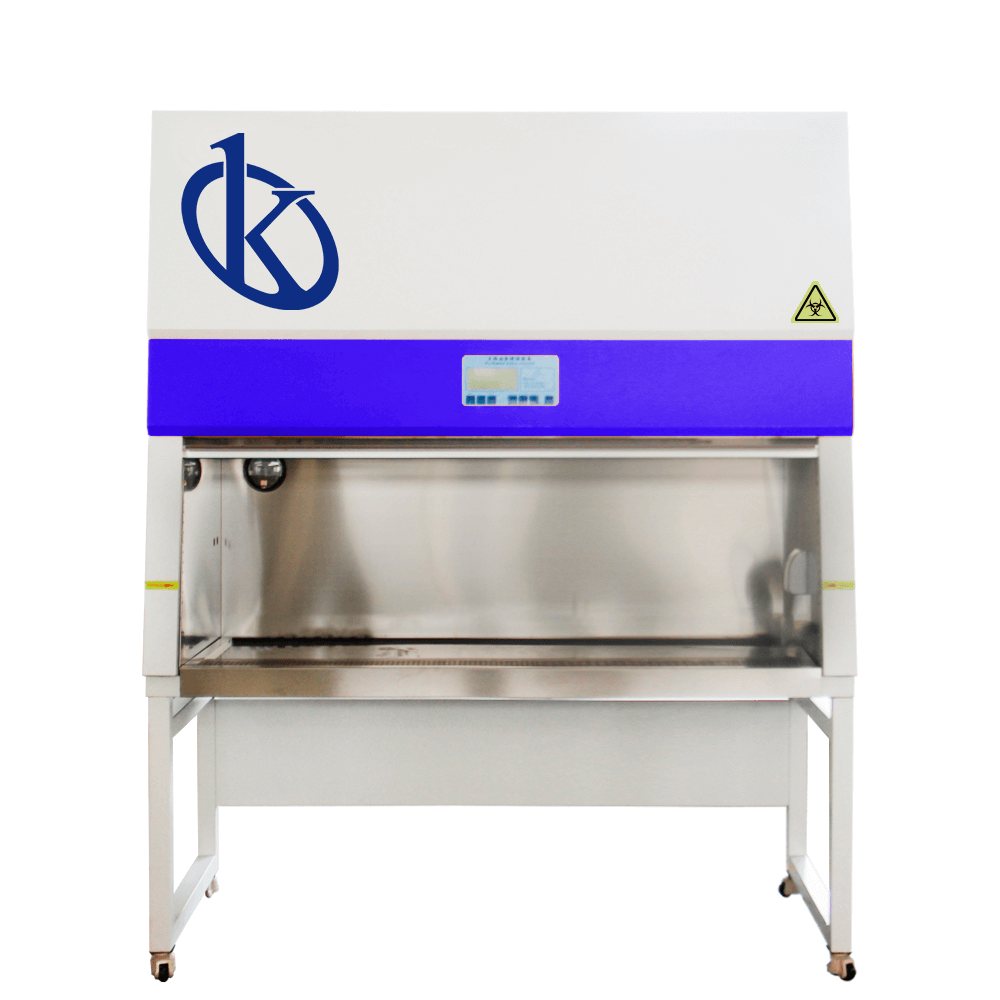
Biosafety Cabinets (Class II): Applications and Techniques 2026
Biosafety Cabinets (Class II) are essential tools in laboratory environments, providing a sterile workspace while ensuring the safety of users and the integrity of experiments. In this article, we will explore their applications in research, biotechnology, and academic settings, highlighting best practices and techniques for optimal use in 2026.
What is it used for in 2026
In 2026, Class II Biosafety Cabinets are utilized in various laboratory settings to handle pathogens and hazardous materials safely. Their design enables the protection of laboratory personnel, the environment, and the samples being worked on. These cabinets are particularly important in microbiological research, genetic engineering, and drug development, where preventing contamination is crucial.
History and evolution of the technology
The evolution of biosafety cabinets dates back to the mid-20th century, with advancements in materials science and airflow technology enhancing their design. Initially, they were simple enclosures, but modern cabinets incorporate complex airflow patterns, HEPA filtration, and user-friendly interfaces, significantly improving safety and usability. The Class II Biosafety Cabinets are now a standard requirement in laboratories conducting sensitive research.
How to use it step by step
Using a Class II Biosafety Cabinet involves several critical steps to ensure maximum safety and effectiveness:
- Prepare the workspace: Ensure the cabinet is clean and organized. Remove any unnecessary items.
- Turn on the cabinet: Activate the biosafety cabinet and allow it to run for at least 10-15 minutes before beginning work to ensure proper airflow.
- Verify airflow: Check the airflow indicators to confirm that the cabinet is functioning correctly.
- Wear appropriate PPE: Put on gloves, lab coats, and safety goggles before beginning any procedures inside the cabinet.
- Conduct work inside the cabinet: Place materials inside the cabinet and perform the necessary procedures while minimizing movement to avoid disrupting airflow.
- Clean the workspace: After completing your work, clean the interior surfaces with disinfectants suitable for the materials handled.
- Turn off the cabinet: Once everything is cleared, turn off the cabinet as per the manufacturer's guidelines.
Best techniques and protocols
Adhering to best practices and protocols is essential when working with biosafety cabinets:
- Regular Training: Ensure all personnel are trained in proper usage and emergency protocols.
- Routine Maintenance: Schedule regular maintenance and validation checks to ensure optimal performance.
- Appropriate Waste Disposal: Follow guidelines for the disposal of biological waste generated within the cabinet.
- Monitoring Airflow: Continuously monitor airflow to detect any potential problems early.
- Proper Decontamination: Use suitable disinfectants for decontaminating surfaces and materials after use.
Practical applications by laboratory type
Different laboratory types utilize Class II Biosafety Cabinets for specific applications:
- Microbiology Labs: For handling bacterial and viral cultures without contamination.
- Biotechnology Facilities: Used in recombinant DNA technology and vaccine development.
- Academic Research: Essential for students and researchers conducting experiments involving biohazardous materials.
- Pharmaceutical Labs: For drug formulation and testing, ensuring product safety and efficacy.
Regulations, standards and certifications
Class II Biosafety Cabinets must comply with various regulations and standards:
- US Federal Standard 209E: It outlines cleanliness standards for cleanrooms and controlled environments.
- ISO 14644: This international standard specifies cleanliness levels in controlled environments.
- NIOSH and CDC Guidelines: These offer recommendations for laboratory safety and biosafety practices.
Comparison with alternative technologies
While Class II Biosafety Cabinets are widely used, other technologies also exist:
- Fume Hoods: Primarily protect users from chemical vapors but do not provide the same level of biological protection.
- Clean Benches: Suitable for non-hazardous materials but do not protect users or the environment from biological hazards.
- Laminar Flow Cabinets: Offer product protection but lack the containment features of biosafety cabinets.
Comparison of available models
| Model | Best for | Key specs | Recommended use case |
|---|---|---|---|
| YR05704 | Microbiological research | Rated Class 100, 0.38±0.025 m/s airflow speed | Handling bacterial and viral cultures |
| YR05705 | Pharmaceutical testing | Rated Class 100, 0.55 m/s suction speed | Drug formulation procedures |
| YR05706 | Biotechnology applications | Rated Class 100, 0.26 m/s internal airflow | Genetic manipulation and culture work |
| YR0090-A | Academic laboratories | Rated Class 100, compact design | Student experiments and research projects |
| YR05270 | Regulatory compliance testing | ISO14644.1 Class 5, 0.35 m/s airflow | Environmental testing of biohazards |
| YR05271 | General laboratory use | ISO14644.1 Class 5, high efficiency HEPA filters | Routine laboratory procedures requiring safety |
Common mistakes and how to avoid them
Laboratory personnel often make several common mistakes when using biosafety cabinets:
- Overcrowding the Workspace: Avoid placing too many items inside the cabinet that can disrupt airflow.
- Improper Use of PPE: Always wear personal protective equipment to ensure safety.
- Neglecting Maintenance: Schedule routine maintenance checks to ensure the cabinet functions properly.
- Inadequate Decontamination: Always clean surfaces properly after use to prevent contamination.
Maintenance, calibration and good practices 2026
Proper maintenance and calibration are crucial for the reliability of Biosafety Cabinets:
- Regular Inspections: Conduct routine inspections monthly to check airflow and filter conditions.
- Calibration: Ensure the airflow monitors are calibrated at least annually.
- Use of Quality Consumables: Always use high-quality filters and disinfectants to maintain cabinet integrity.
Cost-benefit analysis 2026
Investing in a Class II Biosafety Cabinet provides significant benefits:
- Protection: These cabinets reduce the risk of contamination and protect laboratory personnel.
- Compliance: Meeting regulatory standards helps avoid costly penalties.
- Long-term Investment: Proper maintenance increases the lifespan of the equipment, providing good value over time.
Frequently asked questions
What should I consider when choosing a biosafety cabinet?
Consider the type of work you'll be doing, the level of biosafety required, the size of the cabinet, and the airflow specifications to ensure it meets your laboratory needs.
How often should a biosafety cabinet be certified?
Biosafety cabinets should be certified annually or after any major repairs or relocations to ensure continued safety and functionality.
Can I use a biosafety cabinet for chemical work?
No, biosafety cabinets are designed for biological safety. For chemical work, fume hoods are more appropriate.
What is the importance of airflow in a biosafety cabinet?
Airflow is critical for maintaining a sterile environment and ensuring that contaminants are not released into the laboratory environment.
How can I extend the life of my biosafety cabinet?
Regular maintenance, proper cleaning after each use, and adherence to operational protocols are essential to extend the life of your biosafety cabinet.
What types of PPE should I use when working in a biosafety cabinet?
Lab coats, gloves, and safety goggles are the basic personal protective equipment required while working in a biosafety cabinet.
How do I properly decontaminate a biosafety cabinet?
Use disinfectants approved for the specific materials you are handling and ensure the surfaces are cleaned thoroughly after each use.
If you are looking for a fusion of innovation and quality, you have come to the right place. At Kalstein, we offer you the luxury of exploring our exclusive catalog of laboratory equipment. We manufacture every device to the highest standards of excellence. Our intuitive and seamless online purchasing channels are designed for your convenience, securing the most competitive prices. Hesitate no longer — we bring science to life, it is time to become part of our community.