Brix Refractometers: Common Mistakes and How to Avoid Them in Daily Operations 2026
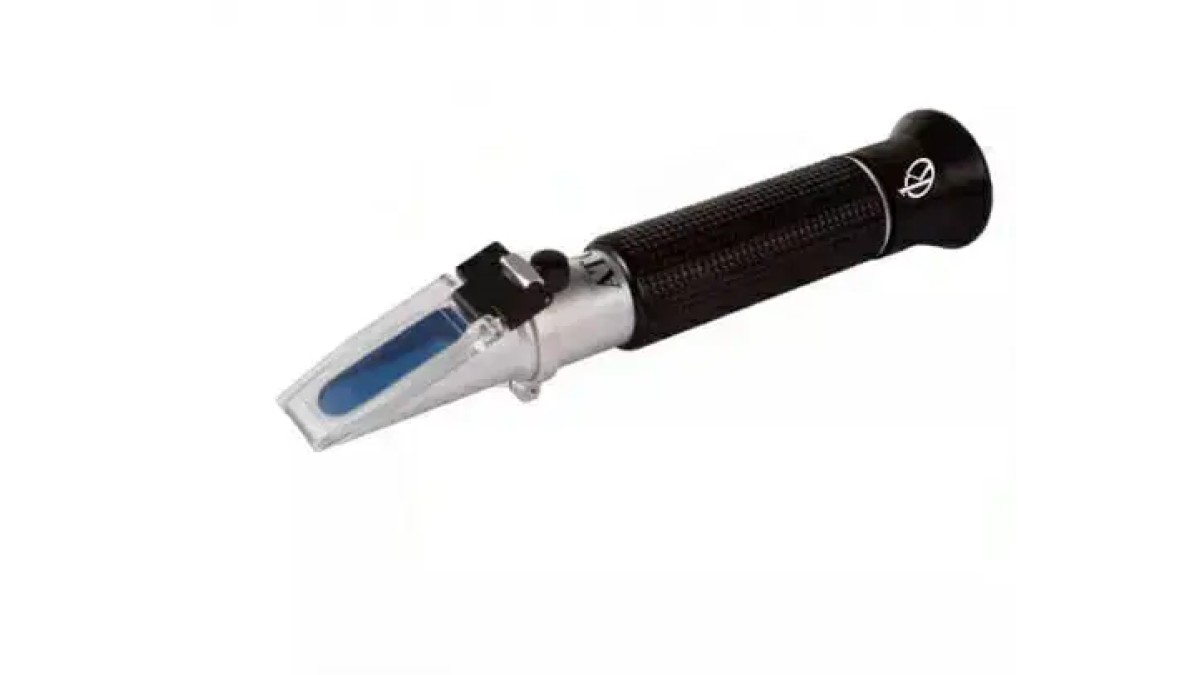
Brix refractometers are essential tools used in various laboratory settings to measure the sugar content in liquids. They find applications particularly in the agricultural sector, such as wine and juice production. This article guides laboratory professionals in using Brix refractometers effectively, highlighting common mistakes and best practices for 2026.
What is it used for in 2026
In 2026, Brix refractometers are primarily utilized to gauge the concentration of sugar in horticultural products. They are particularly useful for winemakers, brewers, and food scientists who need to measure the sugar levels to determine ripeness or fermentation potential. The Brix scale directly correlates with the percentage of sugar present, allowing for accurate assessments that guide production decisions.
History and evolution of the technology
The Brix refractometer's history can be traced back to the early 20th century when simple optical devices were employed to measure the sugar content in liquids. Over the decades, advancements in optical technology and materials have led to the precise and reliable refractometers we see today. The Automatic Temperature Compensation (ATC) feature has also evolved, ensuring accurate measurements across varying temperatures, thus enhancing the usability of these devices in modern laboratories.
How to use it step by step
- Preparation: Ensure the refractometer is clean and calibrated.
- Sample Collection: Obtain a clean, representative sample of the liquid to be tested.
- Loading the Sample: Place a few drops of the sample onto the prism of the refractometer.
- Measurement: Close the cover plate and look through the eyepiece to read the Brix value.
- Record Results: Document the Brix value for further analysis.
- Cleaning: After use, clean the prism and cover with distilled water to avoid cross-contamination.
Best techniques and protocols
To ensure accurate measurements, follow these best practices:
- Always calibrate the refractometer before the first measurement and periodically during use.
- Use distilled water for calibration to prevent impurities from altering the readings.
- Perform measurements at a consistent temperature to minimize discrepancies.
- Ensure the samples are homogeneous before measuring.
Practical applications by laboratory type
Brix refractometers are versatile and used across various laboratory settings:
- Agricultural Laboratories: Measuring sugar content in fruits and vegetables.
- Food and Beverage Production: Evaluating sweetness levels in products like juices and wines.
- Research Institutions: Conducting studies on plant biology and fermentation processes.
Regulations, standards and certifications
Laboratories utilizing Brix refractometers must adhere to specific regulations and standards to ensure accuracy and reliability in measurements. Compliance with ISO standards related to measurement equipment is crucial. Additionally, obtaining certifications such as ISO 9001 can enhance the credibility of laboratory practices.
Comparison with alternative technologies
While Brix refractometers are popular, laboratories may also consider other technologies:
- Hydrometers: Useful for measuring liquid density but less precise for sugar content.
- Digital Refractometers: Offer advanced features like data logging but can be more expensive.
Comparison of available models
| Model | Best for | Key specs | Recommended use case |
|---|---|---|---|
| YR05872 | Low sugar content measurements | 0-5% Brix, ± 0.10% Brix | Ideal for testing fresh fruit juices. |
| YR05873 | Moderate sugar content | 0-10% Brix, ± 0.10% Brix | Best for vegetables and some fruit juices. |
| YR05874 | Higher sugar measurements | 0-18% Brix, ± 0.10% Brix | Useful for sweet fruits and wines. |
| YR05875 | Broad sugar content range | 0-20% Brix, ± 0.10% Brix | Suitable for various applications in brewing. |
| YR05876 | Very high sugar content | 0-32% Brix, ± 0.10% Brix | Ideal for syrup and very sweet liquids. |
| YR05877 | General use | 0-40% Brix, ± 0.10% Brix | Versatile across multiple food and beverage applications. |
Common mistakes and how to avoid them
Laboratory professionals often encounter mistakes when using Brix refractometers. Here are some common errors and tips to avoid them:
- Improper Calibration: Always calibrate the refractometer with distilled water before testing.
- Inconsistent Sample Temperature: Ensure all samples are at a uniform temperature for accurate readings.
- Neglecting Cleaning: Clean the prism after each use to prevent residue build-up.
- Not Recording Results: Document results immediately to avoid confusion later on.
Maintenance, calibration and good practices 2026
Maintaining Brix refractometers in 2026 involves regular calibration, cleaning, and adherence to best practices:
- Calibrate monthly using a certified calibration standard.
- Clean the device with distilled water to preserve the optical lens.
- Store refractometers in a protective case to prevent damage.
Cost-benefit analysis 2026
Investing in Brix refractometers offers significant benefits, such as accuracy in measurement and increased efficiency in production processes. While the initial cost may seem high, the long-term benefits in product quality and consistency outweigh the expenses. Additionally, the potential for increased yields in agricultural settings further justifies the investment.
Frequently asked questions
What are the main factors to consider when choosing a Brix refractometer?
When selecting a Brix refractometer, consider the range of sugar concentrations you need to measure, the precision required for your applications, and whether you need temperature compensation features.
How often should I calibrate my Brix refractometer?
It is recommended to calibrate your Brix refractometer before the first use each day and after any significant temperature variation to ensure accurate readings.
Can I use a Brix refractometer for other liquids besides juices?
Yes, Brix refractometers can be used for various liquids, including sauces, syrups, and some alcoholic beverages, as long as they fall within the specified measurement range.
What should I do if my readings are inconsistent?
If you encounter inconsistent readings, check for proper calibration, ensure the samples are at the same temperature, and clean the prism thoroughly to remove any residues.
Are digital Brix refractometers better than analog ones?
Digital Brix refractometers often provide enhanced features, such as automatic temperature compensation and data logging, making them easier to use and potentially more accurate than analog models.
What is the best way to maintain a Brix refractometer?
Regular maintenance includes cleaning the prism after every use, calibrating frequently, and storing the device in a protective case to prevent damage.
If you are looking for a fusion of innovation and quality, you have come to the right place. At Kalstein, we offer you the luxury of exploring our exclusive catalog of laboratory equipment. We manufacture every device to the highest standards of excellence. Our intuitive and seamless online purchasing channels are designed for your convenience, securing the most competitive prices. Hesitate no longer — we bring science to life, it is time to become part of our community.