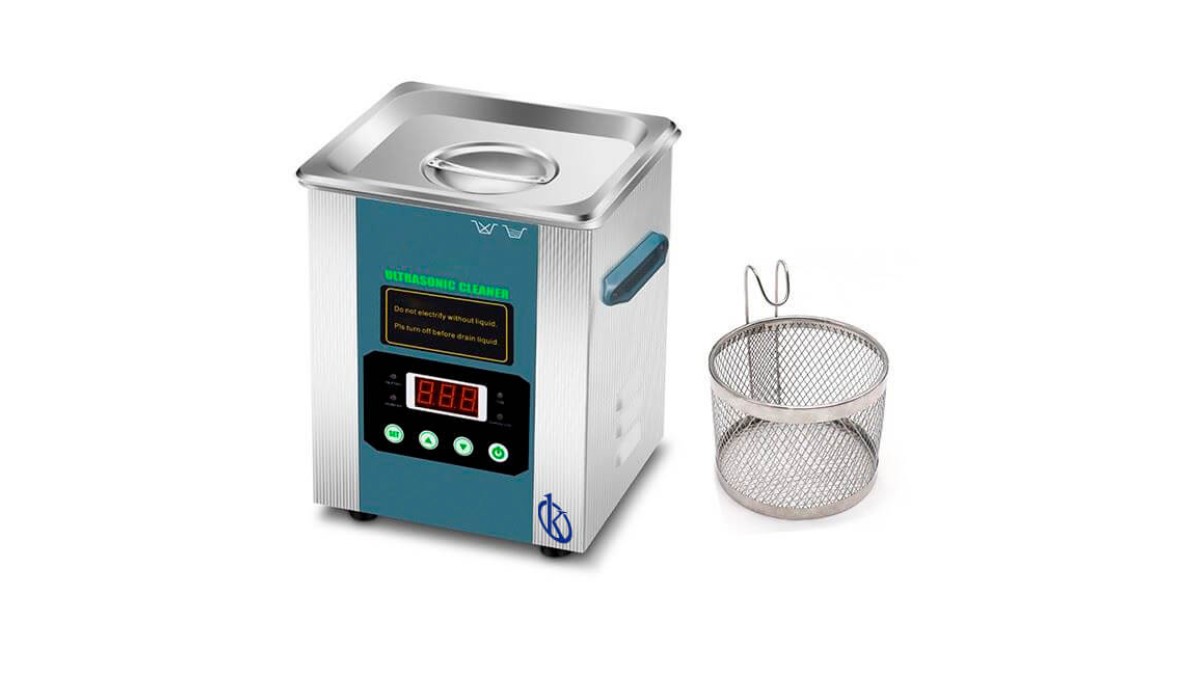
Digital Display Ultrasonic Cleaners: Practical Usage Guide 2026
What is it used for in 2026
Digital Display Ultrasonic Cleaners are essential tools in various laboratories. They are mainly used for cleaning delicate items such as jewelry, medical instruments, optical components, and electronic parts. This equipment utilizes ultrasonic waves to create high-frequency sound waves, leading to cavitation bubbles that effectively remove contaminants without damaging sensitive surfaces. In 2026, their application has expanded due to advancements in technology, offering enhanced cleaning efficiency and versatility across multiple industries.
History and evolution of the technology
The technology behind ultrasonic cleaning dates back to the 1950s when it was first introduced for industrial applications. Over the years, advancements in ultrasonic cleaning technology have led to the development of digital display models that offer better control and efficiency. The integration of precise timers, temperature control, and enhanced transducer designs has revolutionized cleaning processes in laboratories and industries alike.
How to use it step by step
Using a Digital Display Ultrasonic Cleaner is straightforward. Here’s a step-by-step guide:
- Gather the items you wish to clean.
- Fill the tank with the appropriate cleaning solution, ensuring it covers the items.
- Set the desired temperature if the model allows it.
- Adjust the timer for the recommended cleaning duration.
- Turn on the machine and let it operate.
- Once completed, carefully remove the items and rinse them with clean water.
- Dry the items thoroughly before storage or use.
Best techniques and protocols
To maximize the efficiency of ultrasonic cleaning, consider the following techniques:
- Always use the recommended cleaning solution specific to the contaminants and items.
- Pre-soak heavily soiled items to loosen dirt before ultrasonic cleaning.
- Use a basket to keep items suspended in the solution, preventing damage.
- Regularly change the cleaning solution to maintain effectiveness.
- Follow manufacturer guidelines for cycle times and temperatures.
Practical applications by laboratory type
Digital Display Ultrasonic Cleaners have diverse applications based on laboratory types:
- Medical Laboratories: Sterilizing and cleaning surgical instruments and glassware.
- Jewelry Labs: Restoring and cleaning jewelry, ensuring intricate details are maintained.
- Optical Laboratories: Cleaning lenses and optical components without scratching them.
- Electronics: Removing flux residues and contaminants from circuit boards.
Regulations, standards and certifications
Laboratories must comply with various regulations when using ultrasonic cleaners. Key certifications include:
- ISO 9001 for quality management systems.
- CE marking for compliance with health, safety, and environmental protection standards.
- FCC certification for electronic devices to ensure they do not cause interference.
Comparison with alternative technologies
Ultrasonic cleaners are often compared to other cleaning technologies such as manual cleaning, steam cleaning, and automated systems:
- Manual Cleaning: Time-consuming and may damage delicate items; ultrasonic cleaning offers a gentler approach.
- Steam Cleaning: Effective for certain applications but may not reach intricate parts like ultrasonic cleaners.
- Automated Cleaning Systems: More costly and complex, while ultrasonic cleaners offer flexibility and ease of use.
Comparison of available models
| Model | Best for | Key specs | Recommended use case |
|---|---|---|---|
| YR05208 | Jewelry cleaning | 2L Capacity, 70W Power, 40kHz Frequency | Ideal for small jewelry items and intricate parts. |
| YR05209 | Multi-purpose domestic cleaning | 2L Capacity, 70W Power, 40kHz Frequency | Perfect for regular jewelry cleaning at home. |
| YR05212 | General laboratory use | 4.5L Capacity, 180W Power, 40kHz Frequency | Best for cleaning laboratory glassware and instruments. |
| YR05213 | Medium-sized cleaning tasks | 6.8L Capacity, 180W Power, 40kHz Frequency | Suitable for larger items and batch cleaning. |
| YR05214 | Heavy-duty cleaning | 11L Capacity, 240W Power, 40kHz Frequency | Great for industrial and extensive cleaning needs. |
| YR05215 | Large-scale cleaning | 15L Capacity, 360W Power, 40kHz Frequency | Ideal for bulk cleaning in industrial settings. |
Common mistakes and how to avoid them
Users of ultrasonic cleaners often make mistakes that can lead to suboptimal cleaning results:
- Overfilling the tank: Always follow the recommended fill level to avoid overflow.
- Using the wrong cleaning solution: Ensure the solution is suitable for the items being cleaned.
- Neglecting regular maintenance: Clean and check the equipment regularly to maintain performance.
Maintenance, calibration and good practices 2026
Proper maintenance ensures longevity and effectiveness of ultrasonic cleaners:
- Regularly inspect transducers for wear and tear.
- Calibrate the cleaning cycles to optimize performance based on cleaning needs.
- Keep the exterior of the unit clean to prevent dirt build-up.
Cost-benefit analysis 2026
Investing in a Digital Display Ultrasonic Cleaner offers significant benefits:
- Time savings compared to manual cleaning.
- Improved cleaning quality that reduces wear on sensitive items.
- Cost-effective in the long run due to reduced need for replacements.
Frequently asked questions
What cleaning solutions are best for ultrasonic cleaners?
It is essential to use cleaning solutions specifically designed for ultrasonic cleaning, as these are formulated to enhance cavitation and cleaning efficiency.
How often should I clean my ultrasonic cleaner?
To maintain optimal performance, the ultrasonic cleaner should be cleaned after each use, and the cleaning solution replaced as necessary.
Can ultrasonic cleaners damage delicate items?
When used correctly, ultrasonic cleaners are safe for delicate items. However, it is crucial to follow the manufacturer's guidelines and avoid using ultrasonic cleaning on sensitive materials.
What is the ideal temperature setting for ultrasonic cleaning?
The ideal temperature setting varies depending on the cleaning solution and items being cleaned, but it typically ranges between 50°C to 70°C.
How do I know if my ultrasonic cleaner is working properly?
Regular checks of the cleaning performance, such as the efficiency of cleaning, and listening for the characteristic ultrasonic sound can confirm if the unit is functioning correctly.
What are the key features to look for when choosing an ultrasonic cleaner?
When selecting an ultrasonic cleaner, consider the tank size, power, frequency, heating capability, and digital controls for better precision and performance.
How does ultrasonic cleaning compare to traditional cleaning methods?
Ultrasonic cleaning is generally more effective than traditional methods as it can reach intricate areas and provide consistent results, saving time and labor costs.
If you are looking for a fusion of innovation and quality, you have come to the right place. At Kalstein, we offer you the luxury of exploring our exclusive catalog of laboratory equipment. We manufacture every device to the highest standards of excellence. Our intuitive and seamless online purchasing channels are designed for your convenience, securing the most competitive prices. Hesitate no longer — we bring science to life, it is time to become part of our community.