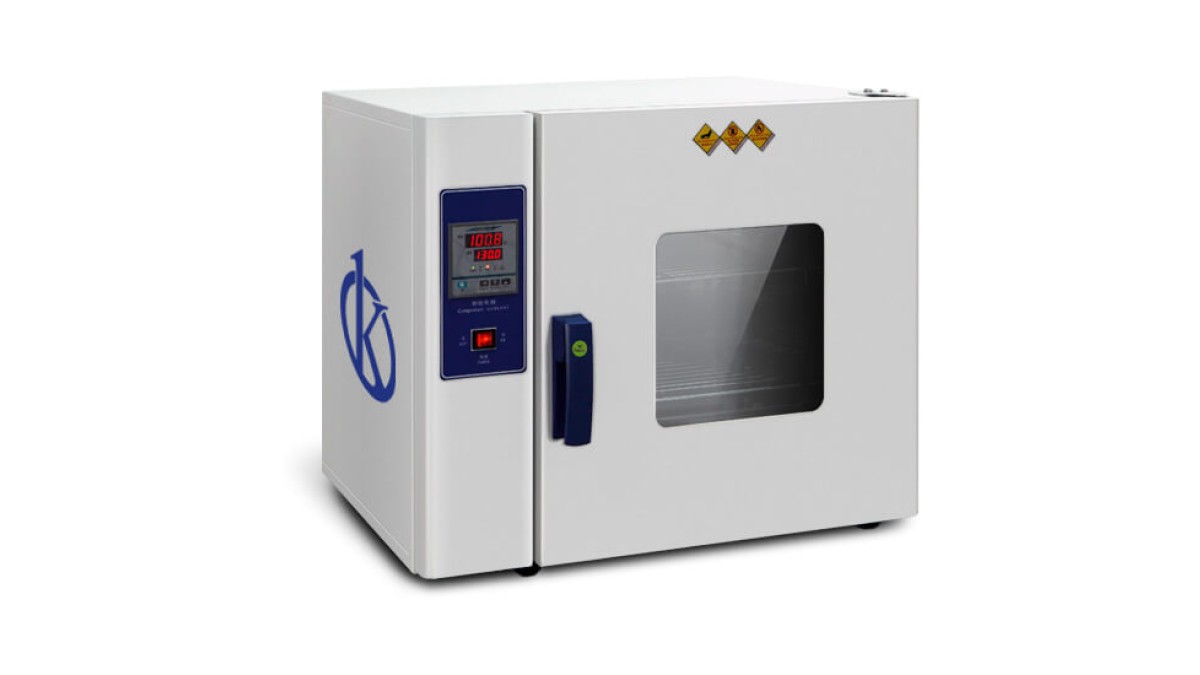
Drying Ovens: Applications in Research, Biotechnology, and Academia 2026
Drying ovens are vital in various laboratory settings, providing a controlled environment for processes like drying, sterilization, and heat treatment. As technology advances, understanding the practical applications and best practices for using drying ovens becomes crucial for laboratory professionals. This article explores the applications, techniques, and workflows associated with drying ovens in 2026.
What is it used for in 2026
In 2026, drying ovens are widely utilized in laboratories across various sectors. Their primary applications include:
- Drying samples: Removing moisture from solid, liquid, or powdered samples.
- Sterilization: Effective in sterilizing glassware and equipment used in laboratories.
- Heat treatment: Used for annealing or curing materials and samples.
- Thermostatic storage: Maintaining samples at specific temperatures to preserve integrity.
- Research applications: Essential for biochemical, biological, and material science research.
History and evolution of the technology
The evolution of drying ovens dates back to the early 20th century, where simple heating methods were employed. Over the decades, technological advancements have led to the development of sophisticated drying ovens equipped with features such as PID temperature control, LED screens, and smart interfaces. Today, drying ovens not only provide precision in temperature control but also integrate with laboratory management systems ensuring efficient operation and monitoring.
How to use it step by step
Using a drying oven involves the following steps:
- Preparation: Ensure the oven is clean and free from any residues.
- Setting the temperature: Select the desired temperature using the LED display for accurate settings.
- Loading samples: Place samples in the oven ensuring adequate spacing for air circulation.
- Timing: Set the timer to monitor the drying process and ensure optimal performance.
- Monitoring: Regularly check the temperature and conditions inside the oven during operation.
- Cooling down: Once the process is complete, allow the oven to cool before opening to prevent thermal shock to samples.
- Cleaning: After use, clean the interior to maintain hygiene and functionality.
Best techniques and protocols
Some best practices when using drying ovens include:
- Calibration: Regularly calibrate the oven to ensure accurate temperature settings.
- Use of trays: Employ suitable trays to promote even distribution and airflow around samples.
- Load management: Avoid overcrowding to maintain efficient airflow and temperature uniformity.
- Temperature consistency: Ensure that the temperature is consistent throughout the drying process for optimal results.
- Documentation: Keep records of temperature settings, drying durations, and results for quality control.
Practical applications by laboratory type
Drying ovens serve various laboratory types including:
- Research laboratories: For drying biological samples and preparing materials.
- Quality control labs: Ensuring materials meet specifications by drying samples for testing.
- Pharmaceutical labs: Used in the preparation and sterilization of equipment and materials.
- Academic institutions: Utilized in teaching laboratories for scientific experiments.
- Biotechnology facilities: Necessary for sample preparation and analysis in bioprocessing.
Regulations, standards and certifications
In 2026, drying ovens must comply with various regulations and standards to ensure safety and efficiency. Common certifications include:
- ISO 9001: Ensures quality management systems are effectively implemented.
- CE Marking: Indicates compliance with European safety standards.
- ASTM Standards: Specified methods for testing and performance criteria.
- FDA Regulations: Compliance for equipment used in food and drug applications.
Comparison with alternative technologies
When considering drying techniques, it is important to compare drying ovens with alternative technologies:
- Microwave Drying: Faster but may cause uneven heating in sensitive samples.
- Freeze Drying: Useful for preserving sample integrity but is costlier and requires more space.
- Vacuum Drying: Effective for heat-sensitive materials but requires specialized equipment.
Comparison of available models
| Model | Best for | Key specs | Recommended use case |
|---|---|---|---|
| YR05244 | High uniformity drying | Temperature Range: RT+5~250℃, Power: 1kW | Ideal for research requiring precise temperature controls. |
| YR05245 | General laboratory drying | Temperature Range: RT+5~250℃, Power: 1kW | Routine laboratory applications for drying samples. |
| YR05246 | Research applications | Temperature Range: RT+5~250℃, Power: 1kW | Suitable for advanced research requiring high precision. |
| YR05247 | Heavy-duty drying | Temperature Range: RT+5~250℃, Power: 1kW | Used in environments with heavy sample loads. |
| YR05248-A | Cost-effective laboratory use | Temperature Range: RT+5~250℃, Power: 1kW | Best for routine laboratory use with budget considerations. |
| YR05249-A | High throughput applications | Temperature Range: RT+5~250℃, Power: 1kW | Recommended for laboratories managing a large number of samples. |
Common mistakes and how to avoid them
Some common mistakes when using drying ovens include:
- Overloading: Avoid exceeding the recommended load capacity to ensure proper airflow.
- Neglecting calibration: Regularly check and calibrate the oven to maintain accuracy.
- Ignoring safety guidelines: Always follow the manufacturer's safety instructions to prevent accidents.
- Insufficient monitoring: Regularly monitor the drying process to avoid overheating.
Maintenance, calibration and good practices 2026
To ensure optimal performance of drying ovens, follow these practices:
- Regular cleaning: Clean the interior and exterior of the oven frequently.
- Periodic calibration: Schedule regular calibration to maintain temperature accuracy.
- Inspect seals: Check door seals for wear and replace when necessary.
- Follow usage protocols: Adhere to established protocols for loading and unloading samples.
Cost-benefit analysis 2026
Investing in a drying oven provides numerous benefits, such as:
- Improved efficiency in sample processing.
- Higher accuracy in temperature control leading to better results.
- Reliability in meeting laboratory standards and regulations.
- Long-term savings due to reduced errors and sample spoilage.
When considering costs, evaluate the initial purchase price against the potential for increased productivity and quality.
Frequently asked questions
What should I consider when choosing a drying oven?
Consider the temperature range, capacity, and features such as PID control and airflow systems to ensure the oven meets your laboratory needs.
How often should I calibrate my drying oven?
It is recommended to calibrate the drying oven at least once every six months or after any significant temperature variation.
Can I use a drying oven for all types of samples?
Not all samples are suitable for drying ovens; sensitive samples may require alternative drying methods to avoid degradation.
What is the typical lifespan of a drying oven?
With proper maintenance, a drying oven can last anywhere from 10 to 15 years, depending on usage and care.
How can I ensure even drying of my samples?
Avoid overloading the oven and ensure proper spacing between samples to promote adequate airflow for even drying.
What safety precautions should I take when using a drying oven?
Always follow the manufacturer's safety guidelines, avoid opening the door during operation, and use personal protective equipment as necessary.
Where can I request a quote for purchasing a drying oven?
You can request a quote on Kalstein Plus for competitive pricing on drying ovens that meet your laboratory requirements.
If you are looking for a fusion of innovation and quality, you have come to the right place. At Kalstein, we offer you the luxury of exploring our exclusive catalog of laboratory equipment. We manufacture every device to the highest standards of excellence. Our intuitive and seamless online purchasing channels are designed for your convenience, securing the most competitive prices. Hesitate no longer — we bring science to life, it is time to become part of our community.