Explosion-Proof Cabinets: Practical Applications and Techniques 2026
What is it used for in 2026
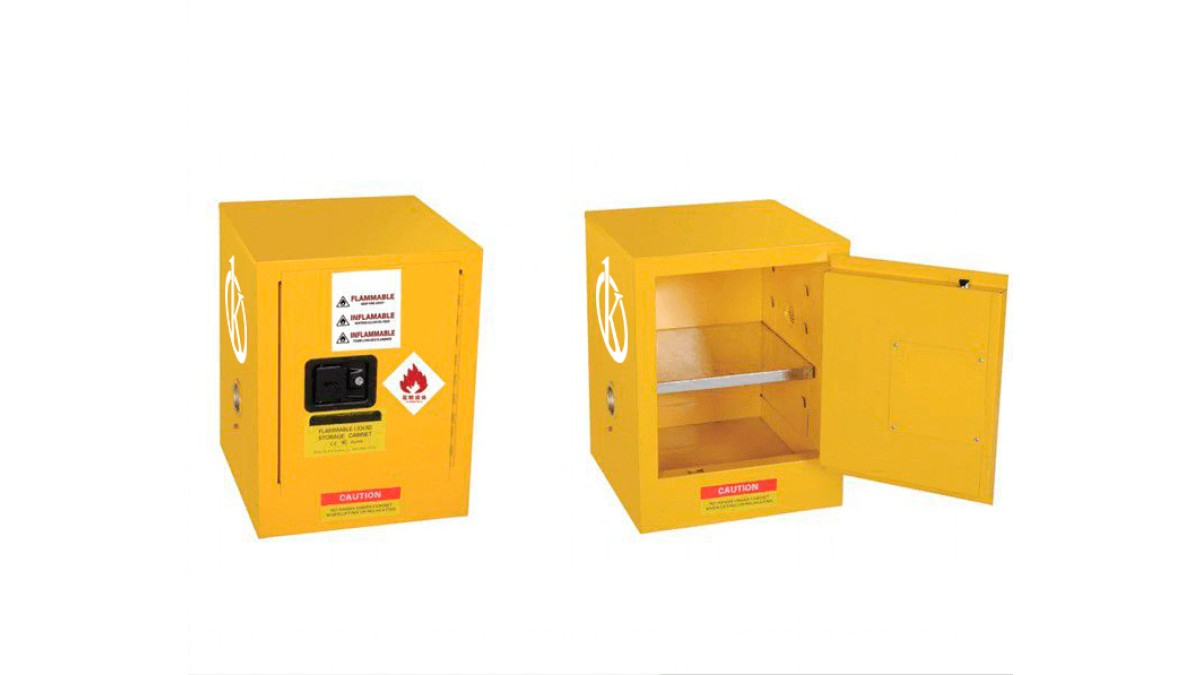
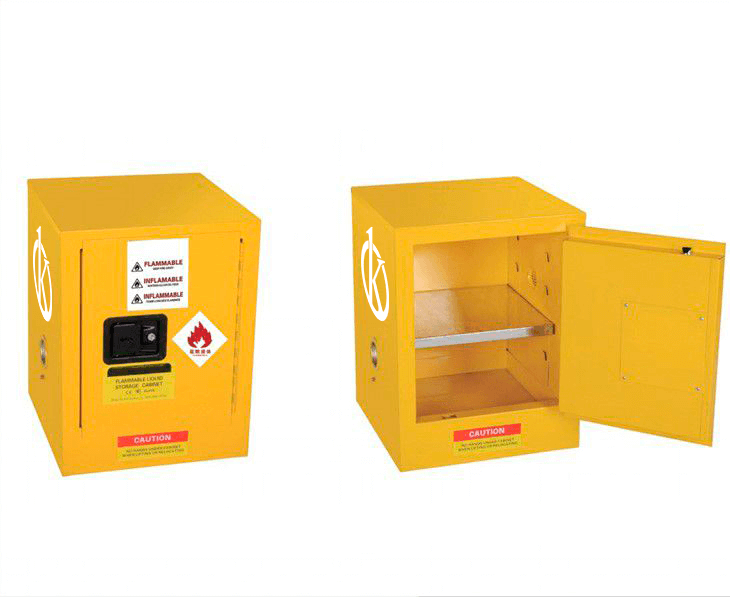
Explosion-proof cabinets are critical in laboratories dealing with flammable substances. In 2026, their use is essential for ensuring chemical safety, compliance with safety regulations, and protecting personnel and property. These cabinets provide a controlled environment for storing hazardous materials, thereby reducing the risk of explosions and chemical spills.
History and evolution of the technology
Explosion-proof cabinets have evolved significantly over the years. Initially designed for basic containment, modern cabinets now feature advanced locking mechanisms, robust insulation, and electrostatic grounding to mitigate fire hazards. As laboratory safety regulations have become more stringent, the technology behind these cabinets has adapted, integrating features such as adjustable shelving and multi-layer locking systems to enhance security and usability.
How to use it step by step
1. **Location Selection**: Choose a suitable area that complies with safety regulations and is free from ignition sources. 2. **Installation**: Securely install the cabinet on a flat surface, ensuring it is accessible yet away from high traffic areas. 3. **Load Management**: Only store materials that are compatible and within the weight limit of the shelves. 4. **Locking Mechanisms**: Use the double locking system when the cabinet is not in use. This enhances security against unauthorized access. 5. **Regular Checks**: Periodically check the cabinet for any signs of wear or damage, and ensure that all locks and seals function properly.
Best techniques and protocols
Implementing best practices involves proper labeling of all stored materials, regular training of staff on cabinet usage, and adherence to local safety regulations. It's crucial to maintain an inventory of contents and ensure that nothing is stored beyond its expiration date. Utilizing spill containment trays within the cabinets can further enhance safety and compliance.
Practical applications by laboratory type
- **Chemical Laboratories**: Store flammable liquids safely and securely. - **Pharmaceutical Labs**: Protect sensitive compounds from heat and potential ignition sources. - **Research Facilities**: Ensure the safety of volatile chemicals used in experiments.
Regulations, standards and certifications
Explosion-proof cabinets must comply with various safety standards, including OSHA, NFPA, and local environmental regulations. Certification from recognized safety bodies is essential to guarantee that the cabinets have been tested for performance and safety.
Comparison with alternative technologies
While traditional storage solutions may suffice for non-flammable materials, explosion-proof cabinets offer superior protection for hazardous substances. Unlike standard cabinets, explosion-proof units are designed to contain explosions and prevent the ignition of volatile vapors, making them indispensable in environments handling flammable materials.
Comparison of available models
| Model | Best for | Key specs | Recommended use case |
|---|---|---|---|
| YR05464-1 | Environmental protection aerosols | Dimensions: 330x330x330 mm, Volume: 2 GAL, Price: $75.00 | Ideal for small laboratories needing to store limited quantities of flammable liquids. |
| YR05464-2 | Environmental protection aerosols | Dimensions: 330x330x330 mm, Volume: 2 GAL, Price: $75.00 | Similar to YR05464-1, suitable for laboratories with space constraints. |
| YR05465 | Environmental protection aerosols | Dimensions: 560x430x430 mm, Volume: 4 GAL, Price: $107.00 | Best for larger storage needs in medium-sized laboratories. |
| YR05465-1 | Environmental protection aerosols | Dimensions: 560x430x430 mm, Volume: 4 GAL, Price: $107.00 | Offers enhanced security features suitable for research facilities. |
| YR05465-2 | Environmental protection aerosols | Dimensions: 560x430x430 mm, Volume: 4 GAL, Price: $107.00 | For laboratories requiring compliance and enhanced storage capabilities. |
| YR05464 | Environmental protection aerosols | Dimensions: 330x330x330 mm, Volume: 2 GAL, Price: $75.00 | Compact cabinets for laboratories with limited space. |
Common mistakes and how to avoid them
Common mistakes include overloading cabinets, failing to regularly inspect locks, and storing incompatible substances together. To avoid these pitfalls, adhere strictly to weight limits, schedule routine maintenance checks, and ensure a clear understanding of what materials can be stored together.
Maintenance, calibration and good practices 2026
Regular maintenance should include inspecting the integrity of the cabinet, checking locks and sealing mechanisms, and ensuring that there are no signs of corrosion or damage. Proper calibration may involve ensuring that temperature controls remain functional. Good practices also entail keeping the cabinet clean and organized to facilitate easy access to stored materials.
Cost-benefit analysis 2026
Investing in explosion-proof cabinets is justified by the potential savings from preventing accidents, regulatory fines, and property damage. The long-term benefits of ensuring a safe work environment outweigh the initial costs. Moreover, the enhanced security features contribute to reducing insurance premiums for laboratories storing hazardous materials.
Frequently asked questions
What should I consider when choosing an explosion-proof cabinet?
Consider the size, weight capacity, and specific materials you will be storing. Ensure the cabinet meets all relevant safety standards and is suitable for the types of chemicals you handle.
How often should I inspect my explosion-proof cabinet?
Inspect your cabinet at least once a month, looking for any signs of wear, damage, or malfunction, especially focusing on the locking mechanisms and seals.
Can I store different types of chemicals in the same cabinet?
Only store compatible chemicals together. Consult safety data sheets to ensure that the materials do not react adversely with one another.
What maintenance is required for explosion-proof cabinets?
Regularly check for physical damage, inspect locks and seals, and ensure that any ventilation systems are functioning. Keep the interior clean and organized.
Are there specific regulations for explosion-proof cabinets?
Yes, cabinets must comply with OSHA regulations, as well as local and national fire safety codes. Ensure that all cabinets are certified by recognized safety organizations.
How do I ensure my cabinet is properly installed?
Follow the manufacturer’s installation guidelines carefully. Ensure that the cabinet is placed on a solid, level surface and that it is not exposed to potential ignition sources.
What are the signs that I need to replace my explosion-proof cabinet?
If you notice significant rust, damage, or failure of locking mechanisms, it’s time to replace your cabinet to ensure the continued safety of your laboratory environment.
If you are looking for a fusion of innovation and quality, you have come to the right place. At Kalstein, we offer you the luxury of exploring our exclusive catalog of laboratory equipment. We manufacture every device to the highest standards of excellence. Our intuitive and seamless online purchasing channels are designed for your convenience, securing the most competitive prices. Hesitate no longer — we bring science to life, it is time to become part of our community.