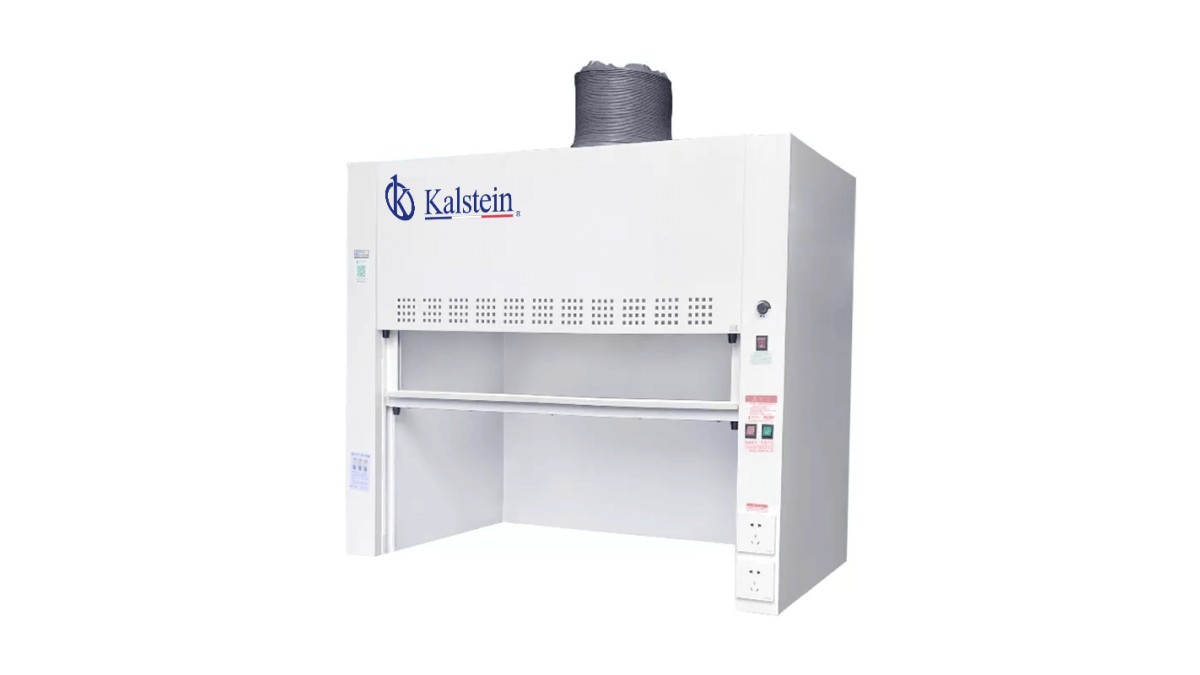
Fume Hood Cabinets: Practical Applications and Techniques 2026
Fume hoods are critical components in laboratory environments, offering protection from hazardous fumes, vapors, and particles. In 2026, understanding their applications and best practices is essential for laboratory professionals.
What is it used for in 2026
Fume hood cabinets are primarily used to provide a safe working environment by containing and exhausting hazardous substances. They are employed in various laboratory settings, including chemical, biological, and analytical labs, enabling safe manipulation of volatile substances. These cabinets help in minimizing exposure to toxic chemicals, ensuring the safety of laboratory personnel.
History and evolution of the technology
The concept of fume extraction dates back to the early laboratories where the need for air quality control emerged. Originally, basic ventilation methods were employed, which evolved into more sophisticated fume hoods in the mid-20th century. Today's fume hood cabinets, such as those offered in the YR series, incorporate advanced materials and technology, enhancing their effectiveness and safety.
How to use it step by step
Using a fume hood cabinet involves several key steps to ensure safety and efficiency:
- **Preparation**: Ensure all materials and equipment needed for your experiment are within reach.
- **Check the hood**: Inspect the fume hood for any obstructions and confirm that it is functioning properly before use.
- **Set up equipment**: Position your laboratory instruments and chemicals inside the fume hood, ensuring adequate space for ventilation.
- **Adjust the sash**: Set the sash height according to the manufacturer's guidelines to ensure optimal airflow.
- **Conduct your work**: Perform your experiments while keeping your head and body behind the sash to minimize exposure.
- **Clean up**: After completion, properly dispose of any hazardous waste and clean the workspace within the fume hood.
Best techniques and protocols
Best practices for using fume hood cabinets include:
- Regular maintenance checks to ensure efficiency.
- Using the hood for all procedures that involve volatile or toxic materials.
- Training laboratory staff on proper fume hood usage protocols.
- Monitoring airflow to ensure effective ventilation.
Practical applications by laboratory type
Fume hood cabinets are essential in various laboratory settings:
- Chemical Laboratories: For handling reactive chemicals and conducting syntheses.
- Biological Laboratories: To contain biohazards during microbiological work.
- Analytical Laboratories: For procedures involving organic solvents and hazardous materials.
Regulations, standards and certifications
Fume hoods must comply with safety standards such as ANSI/AIHA Z9.5 for laboratory ventilation and other relevant OSHA regulations. Certifications ensure that the equipment meets performance criteria and provides adequate protection for laboratory personnel.
Comparison with alternative technologies
While fume hoods are the preferred choice for many laboratories, alternative technologies such as bench-top exhaust systems and biosafety cabinets serve specific purposes. However, fume hoods provide a more comprehensive solution for a variety of chemical and biological processes.
Comparison of available models
| Model | Best for | Key specs | Recommended use case |
|---|---|---|---|
| YR05808 | General chemical use | External: 650x650x1000 mm; Internal: 450x600x750 mm; Price: $390 | Suitable for basic chemical experiments. |
| YR05809 | General laboratory applications | External: 800x650x1000 mm; Internal: 600x600x750 mm; Price: $420 | Ideal for labs requiring versatile use. |
| YR05810 | High-volume chemical processes | External: 1000x650x1000 mm; Internal: 800x600x750 mm; Price: $470 | Best for extensive chemical work. |
| YR05811 | Advanced chemical experiments | External: 1000x650x1000 mm; Internal: 1000x600x750 mm; Price: $508 | Designed for complex procedures. |
| YR05812 | Multi-user laboratory environments | External: 1500x650x1000 mm; Internal: 1300x600x750 mm; Price: $526 | Facilitates team-based experiments. |
| YR05813 | Large volume chemical processes | External: 800x650x1900 mm; Internal: 600x600x750 mm; Price: $610 | Designed for large equipment setups. |
Common mistakes and how to avoid them
Common errors include:
- Failing to check airflow before use. Always ensure the fume hood is operational before starting work.
- Overloading the workspace with unnecessary equipment. Keep only essential items inside the fume hood to maximize airflow.
- Neglecting to properly close the sash. Always adjust the sash to the recommended height for safety.
Maintenance, calibration and good practices 2026
Regular maintenance is crucial to ensure the longevity and efficiency of fume hoods. This includes:
- Conducting routine inspections for airflow and filter conditions.
- Calibrating airflow sensors as needed.
- Cleaning the interior surfaces to avoid contamination.
Cost-benefit analysis 2026
Investing in fume hood cabinets can be justified through the enhanced safety they provide and the protection against potential legal liabilities. The upfront costs are offset by the long-term savings in health-related expenses and reduced downtime from accidents.
Frequently asked questions
How do I choose the right fume hood for my laboratory?
Consider the types of chemicals you will be using, the volume of work, and specific safety requirements to determine the best fume hood model for your needs.
What maintenance is required for fume hood cabinets?
Regular checks of airflow, cleaning surfaces, and ensuring that all components are functional are necessary for maintaining fume hood efficiency.
Can I use a fume hood for all types of chemicals?
While fume hoods are versatile, specific chemicals may require specialized equipment, such as a biosafety cabinet for biological materials.
How often should airflow be tested?
Airflow should be tested at least annually; however, more frequent checks are recommended for high-use laboratories.
What are the signs that my fume hood needs repairs?
Indicators include decreased airflow, unusual noises, and visible damage to the hood or sash.
Is training necessary for using fume hoods?
Yes, proper training ensures that laboratory personnel understand how to use fume hoods safely and effectively.
Where can I find reliable fume hood cabinets?
Explore various suppliers, including Kalstein, which offers high-quality models designed for various laboratory needs.
If you are looking for a fusion of innovation and quality, you have come to the right place. At Kalstein, we offer you the luxury of exploring our exclusive catalog of laboratory equipment. We manufacture every device to the highest standards of excellence. Our intuitive and seamless online purchasing channels are designed for your convenience, securing the most competitive prices. Hesitate no longer — we bring science to life, it is time to become part of our community.