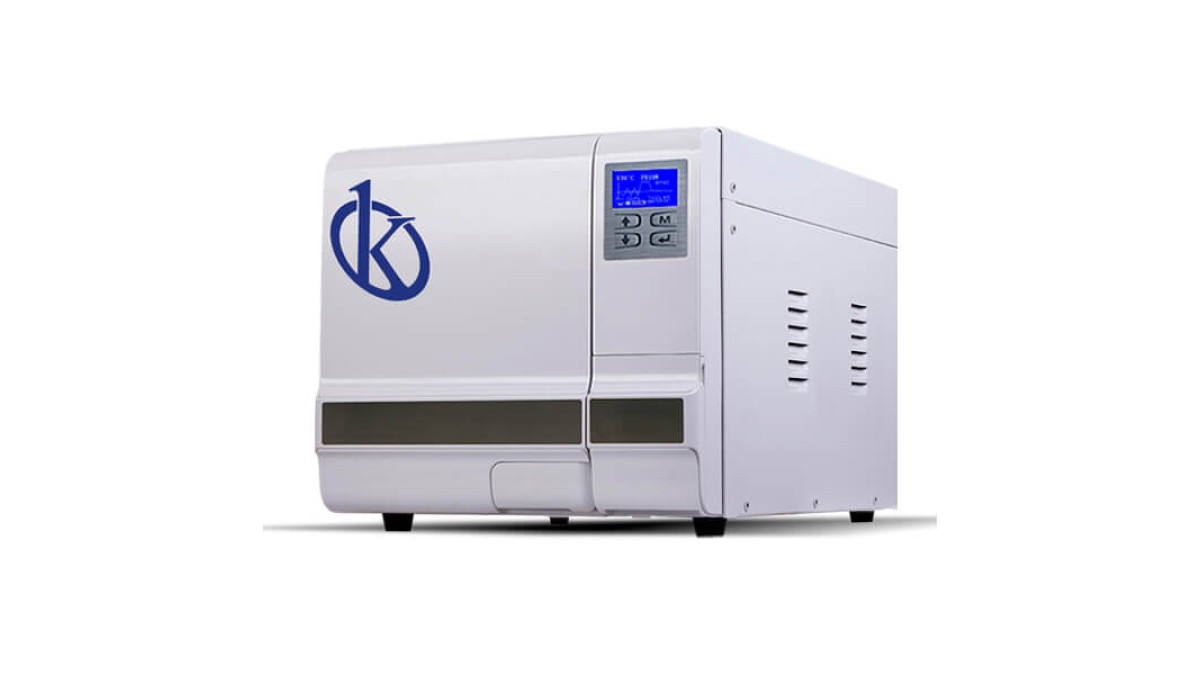
Horizontal Autoclaves: Practical Techniques and Protocols 2026
As the demand for sterilization in laboratories continues to grow, horizontal autoclaves have become a key player in ensuring the safety and efficacy of laboratory processes. This article aims to provide laboratory professionals with a comprehensive understanding of the applications, techniques, and best practices for utilizing horizontal autoclaves effectively in 2026.
What is it used for in 2026
Horizontal autoclaves, widely known for their efficiency in sterilization, are essential for various applications in laboratories, medical facilities, and research institutions. In 2026, these machines are pivotal for sterilizing surgical tools, laboratory glassware, and medical instruments. Their design allows for the effective penetration of steam, ensuring that even densely packed items are fully sterilized. This is especially crucial for environments where stringent hygiene is non-negotiable.
History and evolution of the technology
The evolution of autoclave technology began in the 19th century, with the invention of the steam sterilizer by Charles Chamberland in 1884. Initially, autoclaves were bulky and primarily used in industrial settings. Over the decades, advancements in materials and control systems have transformed horizontal autoclaves into compact, user-friendly devices suitable for a variety of laboratory applications. By 2026, the integration of digital interfaces and automated cycles has made these machines more efficient and easier to operate than ever before.
How to use it step by step
Using a horizontal autoclave may seem daunting, but following a structured approach can simplify the process:
- Preparation: Ensure that all items to be sterilized are clean and free from organic material. Organize items properly in trays to allow steam circulation.
- Loading the autoclave: Place trays in the autoclave chamber, ensuring that items do not touch each other or the chamber walls.
- Selecting the cycle: Choose the appropriate sterilization cycle based on the materials being sterilized. This may vary based on item type and load size.
- Initiating the cycle: Start the autoclave, monitoring the display for cycle progress. Confirm that pre-vacuum stages are completed as required.
- Cooling and unloading: After the cycle, allow items to cool before opening the chamber. This prevents burns and ensures safety during unloading.
- Documentation: Record cycle parameters such as temperature, pressure, and duration for compliance and quality control purposes.
Best techniques and protocols
To achieve optimal results with horizontal autoclaves, consider the following techniques and protocols:
- Use validated cycles: Ensure that the chosen sterilization cycles are validated for the specific items being sterilized.
- Regular calibration: Schedule routine calibration of the autoclave to ensure accuracy in temperature and pressure readings.
- Load configuration: Avoid overloading the autoclave, as this can inhibit steam penetration and compromise sterilization.
- Use biological indicators: Implement the use of biological indicators to verify that sterilization conditions are effective.
- Implement SOPs: Develop and follow Standard Operating Procedures (SOPs) for loading, operating, and maintaining the autoclave.
Practical applications by laboratory type
Horizontal autoclaves find applications across various laboratory types, each with specific requirements:
Clinical Laboratories
In clinical settings, horizontal autoclaves are essential for sterilizing surgical instruments, thus ensuring patient safety.
Research Laboratories
Research labs utilize these autoclaves for sterilizing culture media, glassware, and equipment used in microbiological studies.
Veterinary Clinics
Veterinary practices rely on horizontal autoclaves to sterilize surgical tools and dental instruments, ensuring the health of animal patients.
Beauty Salons
Beauty and wellness facilities use horizontal autoclaves for sterilizing tools used in treatments, maintaining hygiene standards.
Regulations, standards and certifications
Horizontal autoclaves must adhere to strict regulations and standards such as EN 13060, which defines requirements for small steam sterilizers. Compliance with these standards ensures that the autoclaves meet safety and efficacy benchmarks. Additionally, ISO certifications may further validate the quality of the sterilization process.
Comparison with alternative technologies
While horizontal autoclaves are highly effective, alternative sterilization technologies exist, such as ethylene oxide sterilization and dry heat sterilization. Each method has its advantages:
- Ethylene Oxide: Effective for heat-sensitive materials; however, it requires longer processing times and safety precautions.
- Dry Heat: Suitable for items that can withstand high temperatures but is generally less effective for moist heat-sensitive instruments.
Choosing the right sterilization method depends on the materials being sterilized and the specific requirements of the laboratory.
Comparison of available models
| Model | Best for | Key specs | Recommended use case |
|---|---|---|---|
| YR03387 | Small clinics and beauty salons | 8 L capacity, 1750w, 50kg | Ideal for low-volume sterilization tasks |
| YR03388 | Mid-sized veterinary practices | 12 L capacity, 1750w, 53kg | Great for sterilizing surgical tools |
| YR03389 | Research laboratories | 18 L capacity, 1750w, 53kg | Perfect for lab glassware and instruments |
| YR03390 | Large clinics | 23 L capacity, 1750w, 53kg | High-capacity sterilization needs |
| YR03385C | Large veterinary clinics | 29 L capacity, 2300w, 95kg | Advanced sterilization for diverse instruments |
| YR03385B | Industrial laboratories | 45 L capacity, 3800w, 115kg | Heavy-duty sterilization requirements |
Common mistakes and how to avoid them
To maximize efficiency and safety when using horizontal autoclaves, avoid these common mistakes:
- Overloading: Ensure that items are not packed too tightly, which can prevent adequate steam penetration.
- Ignoring maintenance: Regular maintenance is crucial for optimal performance; neglecting it can lead to equipment failures.
- Using incorrect cycles: Always verify that the sterilization cycle matches the items being processed.
Maintenance, calibration and good practices 2026
Proper maintenance and calibration of horizontal autoclaves are essential for reliable performance:
- Routine cleaning: Clean the chamber and trays regularly to prevent contamination.
- Calibration checks: Perform calibration checks every six months to ensure accurate readings of temperature and pressure.
- Record keeping: Maintain records of all maintenance activities and calibration results for compliance and quality assurance.
Cost-benefit analysis 2026
In 2026, horizontal autoclaves represent a significant investment for laboratories, but their benefits outweigh the costs. The initial expense is offset by their efficiency in sterilization, which reduces the risk of contamination and associated costs. Additionally, the reliability of these devices can enhance laboratory productivity, making them a cost-effective choice in the long run.
Frequently asked questions
What is the best practice for loading items into a horizontal autoclave?
Items should be arranged in a way that allows steam to circulate freely. Avoid stacking items too tightly to ensure effective sterilization.
How often should I perform maintenance on my autoclave?
Regular maintenance should be performed according to the manufacturer's guidelines, typically every six months, to ensure optimal performance and longevity.
What are the consequences of not calibrating the autoclave?
Failure to calibrate can lead to inaccurate sterilization conditions, resulting in insufficient sterilization and potential contamination of items.
Can I use the same cycle for different types of materials?
It is crucial to select the appropriate cycle based on the material type, as different materials may require different sterilization conditions.
How do I know if the sterilization process was successful?
Using biological indicators is the most reliable method to verify the success of the sterilization process, as they confirm the effectiveness of the conditions achieved.
What should I do if my autoclave fails to complete a cycle?
Consult the user manual for troubleshooting steps. If the issue persists, contact a qualified technician for assistance.
How can I ensure compliance with sterilization standards?
Follow established protocols, maintain accurate records of sterilization cycles, and ensure that the autoclave is regularly maintained and calibrated.
If you are looking for a fusion of innovation and quality, you have come to the right place. At Kalstein, we offer you the luxury of exploring our exclusive catalog of laboratory equipment. We manufacture every device to the highest standards of excellence. Our intuitive and seamless online purchasing channels are designed for your convenience, securing the most competitive prices. Hesitate no longer — we bring science to life, it is time to become part of our community.