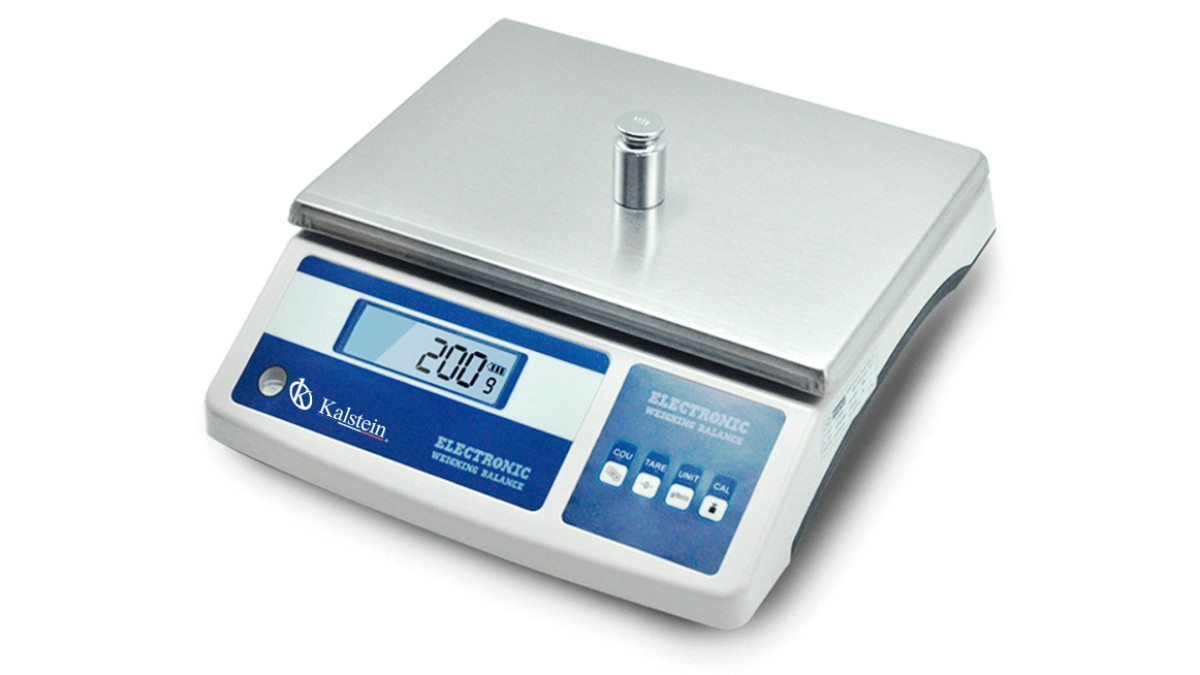
Industrial Balances: Practical Applications and Techniques 2026
Industrial balances are crucial tools in laboratory environments, facilitating precise measurements essential for various applications. With advancements in technology, these balances have become more sophisticated, offering enhanced functionality and user-friendliness. This article aims to detail the uses, techniques, and best practices for industrial balances in 2026, providing a comprehensive guide for laboratory professionals.
What is it used for in 2026
In 2026, industrial balances are used for a wide array of applications across various industries, including pharmaceuticals, food production, and manufacturing. Their primary purpose is to provide accurate weight measurements in laboratory settings, ensuring consistency and reliability in experiments and production processes. These balances are particularly useful for:
- Measuring raw materials for formulation in pharmaceuticals.
- Quality control in food production by weighing ingredients.
- Component weighing in manufacturing processes.
- Research and development for precise experimental setups.
- Laboratory inventory management through weight tracking.
History and evolution of the technology
The history of industrial balances dates back centuries to the invention of the beam balance. Over time, technological advancements have transformed manual weighing devices into sophisticated electronic balances equipped with digital displays and advanced features. The introduction of load cells and microprocessors has significantly improved accuracy and ease of use. In recent years, manufacturers have focused on enhancing connectivity options, allowing balances to interface with computers and printers for seamless data reporting.
How to use it step by step
Using an industrial balance correctly is essential for obtaining accurate measurements. Here’s a step-by-step guide on how to use these balances effectively:
- Preparation: Ensure the balance is placed on a stable, level surface away from drafts and vibrations.
- Calibration: Before use, calibrate the balance according to the manufacturer’s instructions to ensure accuracy.
- Power On: Turn on the balance, allowing it to initialize and perform any self-tests.
- Tare Function: Place a container on the balance, press the tare button to zero the display, and account for the weight of the container.
- Weighing the Sample: Add the sample to the container and wait for the reading to stabilize before recording the weight.
- Documentation: Document the measurement data as per laboratory protocols.
- Power Off: Turn off the balance after use to conserve energy.
Best techniques and protocols
To achieve the best results when using industrial balances, follow these techniques:
- Use appropriate containers that do not affect the weight measurement.
- Allow the balance to warm up for a few minutes before use for optimal performance.
- Minimize disturbances by closing nearby doors and windows.
- Regularly clean the balance and avoid exposure to chemicals that may damage the surface.
- Follow a strict schedule for calibration to maintain accuracy over time.
Practical applications by laboratory type
Different laboratory types utilize industrial balances for various specific applications:
- Pharmaceutical Laboratories: Weighing active ingredients and excipients for drug formulation.
- Food Laboratories: Measuring ingredient quantities for product consistency and compliance.
- Manufacturing Laboratories: Weighing components for assembly and quality assurance.
- Research Laboratories: Conducting experiments that require precise material quantities.
Regulations, standards and certifications
Laboratories must adhere to various regulations and standards when using industrial balances:
- ISO/IEC 17025 for testing and calibration laboratories.
- Good Manufacturing Practices (GMP) in pharmaceutical settings.
- Compliance with local weights and measures regulations.
- Periodic verification and certification of equipment by accredited bodies.
Comparison with alternative technologies
While industrial balances are widely used, alternative technologies exist:
- Spring Scales: Less accurate, but useful for simple weight measurement tasks.
- Beam Balances: Require manual adjustment and are less convenient for rapid measurements.
- Load Cells: Used in industrial applications for large-scale weight measurement, but often less precise than laboratory balances.
Comparison of available models
| Model | Best for | Key specs | Recommended use case |
|---|---|---|---|
| YR05606 | General laboratory use | Capacity: 11kg, Readability: 1g | Routine weighing tasks where precision is needed |
| YR05607 | Medium-capacity applications | Capacity: 16kg, Readability: 1g | Weighing larger samples in food and pharmaceuticals |
| YR05608 | Higher capacity needs | Capacity: 21kg, Readability: 1g | Heavy ingredient measurement in food labs |
| YR05609 | Heavy-duty applications | Capacity: 31kg, Readability: 1g | Manufacturing environments requiring precise weights |
| YR05610 | Lightweight applications | Capacity: 5.1kg, Readability: 0.1g | Small batch measurements in research settings |
| YR05611 | General laboratory tasks | Capacity: 11kg, Readability: 0.1g | Routine tasks in diverse laboratory environments |
| YR05612 | Medium-sized tasks | Capacity: 16kg, Readability: 0.1g | Ingredient weighing in food industry |
| YR05613 | High-capacity tasks | Capacity: 21kg, Readability: 0.1g | Heavy materials in manufacturing and R&D |
| YR05614 | Top range applications | Capacity: 26kg, Readability: 0.1g | Large scale industrial weighing processes |
Common mistakes and how to avoid them
Common mistakes when using industrial balances include:
- Not calibrating: Always ensure calibration is performed regularly to maintain accuracy.
- Ignoring environmental factors: Place balances away from drafts and vibrations for consistent results.
- Using inappropriate containers: Use containers that do not interfere with weight measurements.
- Forgetting to zero: Always tare the balance before weighing samples.
Maintenance, calibration and good practices 2026
For optimal performance, adhere to the following maintenance practices:
- Regularly clean the balance with appropriate materials.
- Implement a calibration schedule based on usage frequency.
- Perform visual checks for wear and tear on components.
- Document all maintenance activities for compliance purposes.
Cost-benefit analysis 2026
Investing in industrial balances provides significant benefits, including:
- Improved accuracy leading to better quality control in production processes.
- Enhanced productivity by reducing measurement time.
- Long-term savings through reduced waste and rework.
- Compliance with industry regulations that can prevent costly penalties.
Frequently asked questions
What is the best practice for calibrating an industrial balance?
Calibration should be performed according to the manufacturer’s guidelines, ideally before the first use each day and regularly thereafter, especially after any relocation or adjustment of the balance.
How often should I clean my industrial balance?
Cleaning frequency depends on the balance's usage but should be done at least once a week or after any spills. Use appropriate cleaning agents as recommended by the manufacturer.
What should I do if my balance is giving inconsistent readings?
Check for environmental factors, ensure proper calibration, and verify that the balance is placed on a stable surface. If issues persist, consult the manufacturer's support.
Can I use industrial balances in a humid environment?
While some industrial balances are designed to withstand humidity, it is generally best to keep them in controlled environments to ensure accuracy and longevity.
What type of container is best for weighing samples?
Use lightweight containers that do not affect the measurement, such as plastic or glass weighing boats, and ensure they are clean and dry before use.
How can I ensure accurate readings when weighing powders?
When weighing powders, use a draft shield if available and allow the balance to stabilize before recording the weight to minimize errors from airflow.
Where can I request a quote for industrial balances?
You can request a quote for industrial balances through our dedicated channels, providing you with tailored pricing and options based on your specific requirements.
If you are looking for a fusion of innovation and quality, you have come to the right place. At Kalstein, we offer you the luxury of exploring our exclusive catalog of laboratory equipment. We manufacture every device to the highest standards of excellence. Our intuitive and seamless online purchasing channels are designed for your convenience, securing the most competitive prices. Hesitate no longer — we bring science to life, it is time to become part of our community.