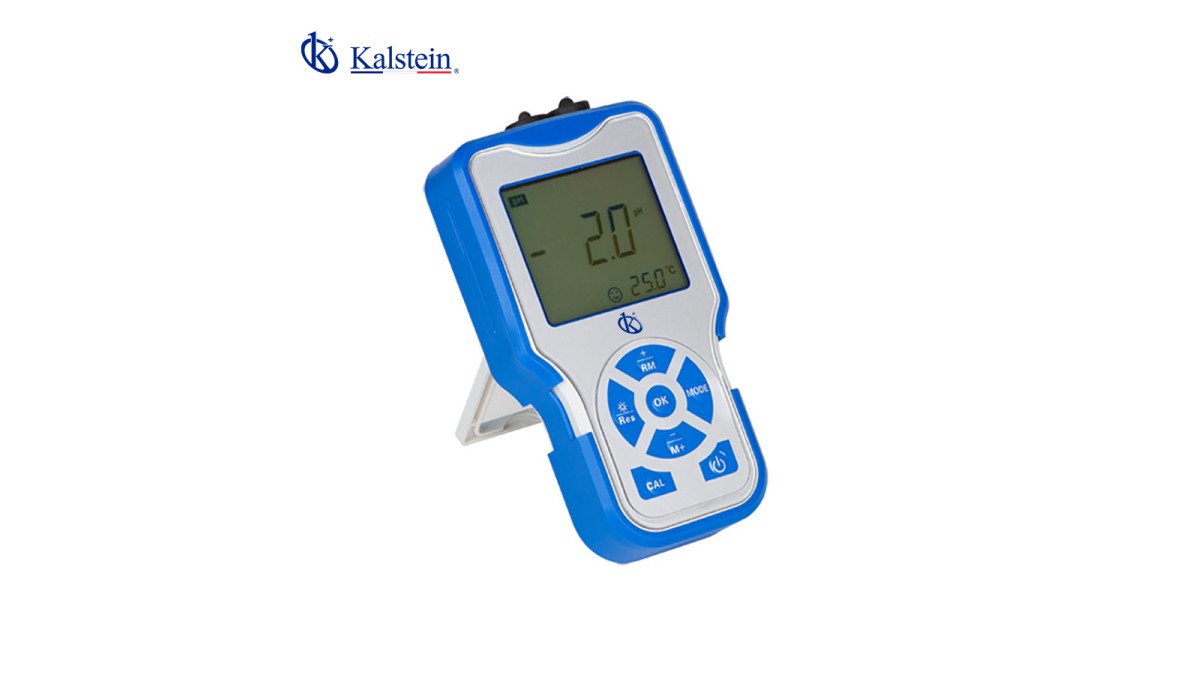
Portable Ion Meters: Practical Step-by-Step Usage Guide for 2026
In laboratories and field applications, portable ion meters are essential tools for measuring ion concentrations effectively and accurately. As we progress through 2026, understanding how to utilize these devices optimally is crucial for laboratory professionals. This guide provides a comprehensive overview of portable ion meters, including their applications, usage techniques, and best practices.
What is it used for in 2026
Portable ion meters are used for measuring the concentration of various ions in solution, including pH, ammonium, and other ion concentrations. These meters are crucial for applications in environmental monitoring, water quality testing, pharmaceuticals, and food safety. Their portability allows for on-site measurements, making them invaluable for fieldwork.
History and evolution of the technology
The evolution of portable ion meters began with the development of laboratory-based ion-selective electrodes. Over the years, advancements in technology allowed these devices to become compact and user-friendly. In 2026, portable ion meters feature improved accuracy and multiple calibration points, with options for various ion concentrations, making them more versatile than ever.
How to use it step by step
Using portable ion meters involves several steps to ensure accurate results:
- Prepare the sample: Collect the solution you want to test in a clean container.
- Calibrate the meter: Depending on the model, calibrate the ion meter using standard solutions for the respective ions.
- Insert the electrode: Immerse the electrode into the sample solution, ensuring it is adequately covered.
- Take the reading: Allow the meter to stabilize and then record the ion concentration displayed on the screen.
- Clean the electrode: After use, rinse the electrode with distilled water to prevent contamination.
Best techniques and protocols
To achieve the best results when using portable ion meters, consider the following techniques:
- Always calibrate before measurements using fresh calibration standards.
- Minimize air bubbles on the electrode by gently swirling the meter in the sample solution.
- Allow sufficient time for readings to stabilize for accurate results.
- Regularly check and replace electrodes as needed to maintain accuracy.
Practical applications by laboratory type
Portable ion meters have diverse applications depending on the type of laboratory:
- Environmental laboratories: Used for testing water quality, assessing pollution levels, and monitoring aquatic ecosystems.
- Pharmaceutical laboratories: Utilized for quality control in drug formulations, ensuring ion concentrations meet regulatory standards.
- Food safety laboratories: Essential for testing food products for harmful ion concentrations, ensuring safety and compliance with health regulations.
Regulations, standards and certifications
In 2026, the use of portable ion meters must comply with various regulations and standards set by organizations such as the Environmental Protection Agency (EPA) and the International Organization for Standardization (ISO). Regular calibration and certification of these devices are required to ensure accuracy and reliability in measurements.
Comparison with alternative technologies
While portable ion meters are popular for field measurements, alternative technologies such as laboratory ion analyzers and spectrophotometers exist. However, portable ion meters offer the advantage of on-site testing, mobility, and user-friendly interfaces, making them preferable for many applications.
Comparison of available models
| Model | Best for | Key specs | Recommended use case |
|---|---|---|---|
| YR01816 | General ion measurement | pH Range: -2.000 to 20.000, Accuracy: ±0.002 pH | Laboratory environments requiring versatile pH and ion measurements |
| YR01817-1 | Ammonium ion measurement | Range: 5 × 10⁻⁶ to 1 M, Accuracy: ±0.5% F.S. | Outdoor applications in environmental monitoring |
| YR01817-10 | Ammonium ion measurement | Range: 5 × 10⁻⁶ to 1 M, Accuracy: ±0.5% F.S. | Field testing and environmental assessments |
| YR01817-11 | Ammonium ion measurement | Range: 5 × 10⁻⁶ to 1 M, Accuracy: ±0.5% F.S. | Food safety testing in various applications |
| YR01817-12 | Ammonium ion measurement | Range: 5 × 10⁻⁶ to 1 M, Accuracy: ±0.5% F.S. | Laboratory testing for agricultural products |
| YR01817-13 | Ammonium ion measurement | Range: 5 × 10⁻⁶ to 1 M, Accuracy: ±0.5% F.S. | Environmental studies and water quality testing |
Common mistakes and how to avoid them
Laboratory professionals often make mistakes when using portable ion meters. Here are common errors and how to avoid them:
- Incorrect calibration: Always use fresh calibration standards and follow the calibration procedure closely.
- Ignoring temperature effects: Always allow the meter to compensate for temperature variations if applicable.
- Neglecting electrode maintenance: Regularly clean and store electrodes properly to prolong their lifespan.
Maintenance, calibration and good practices 2026
For optimal performance of portable ion meters, it is essential to follow a maintenance routine:
- Calibrate the device regularly, especially before important measurements.
- Clean the electrode thoroughly after each use and store it in an appropriate solution to prevent drying out.
- Perform routine checks on the device for any signs of wear or malfunction.
Cost-benefit analysis 2026
When evaluating the cost-benefit of portable ion meters in 2026, consider factors such as:
- Initial investment vs. frequency of use and application necessity.
- Long-term savings through accurate measurements leading to reduced waste and re-testing costs.
- Improved compliance with regulations, which can save on potential fines or penalties.
Frequently asked questions
What is the best portable ion meter for environmental testing?
The best portable ion meter for environmental testing would depend on the specific ions you need to measure. Models focusing on ammonium ions, like YR01817-1, are ideal for environmental monitoring.
How often should I calibrate my portable ion meter?
It is recommended to calibrate your portable ion meter before each significant measurement session or daily for routine testing to ensure accuracy.
Can I use a portable ion meter for food safety testing?
Yes, portable ion meters can effectively measure ion concentrations in food samples, making them suitable for food safety applications.
What are the common issues faced when using portable ion meters?
Common issues include incorrect calibration, inadequate cleaning of electrodes, and neglecting temperature compensation. Each of these can lead to inaccurate results.
How do I maintain my portable ion meter?
Regular calibration, proper cleaning of the electrode, and storing the device correctly are critical for maintaining your portable ion meter.
What factors should I consider when choosing a portable ion meter?
Consider the range of ion types to be measured, portability features, calibration options, and the specific application requirements when choosing your portable ion meter.
Where can I request a quote for portable ion meters?
You can request a quote for portable ion meters through dedicated laboratory equipment suppliers or manufacturers.
If you are looking for a fusion of innovation and quality, you have come to the right place. At Kalstein, we offer you the luxury of exploring our exclusive catalog of laboratory equipment. We manufacture every device to the highest standards of excellence. Our intuitive and seamless online purchasing channels are designed for your convenience, securing the most competitive prices. Hesitate no longer — we bring science to life, it is time to become part of our community.