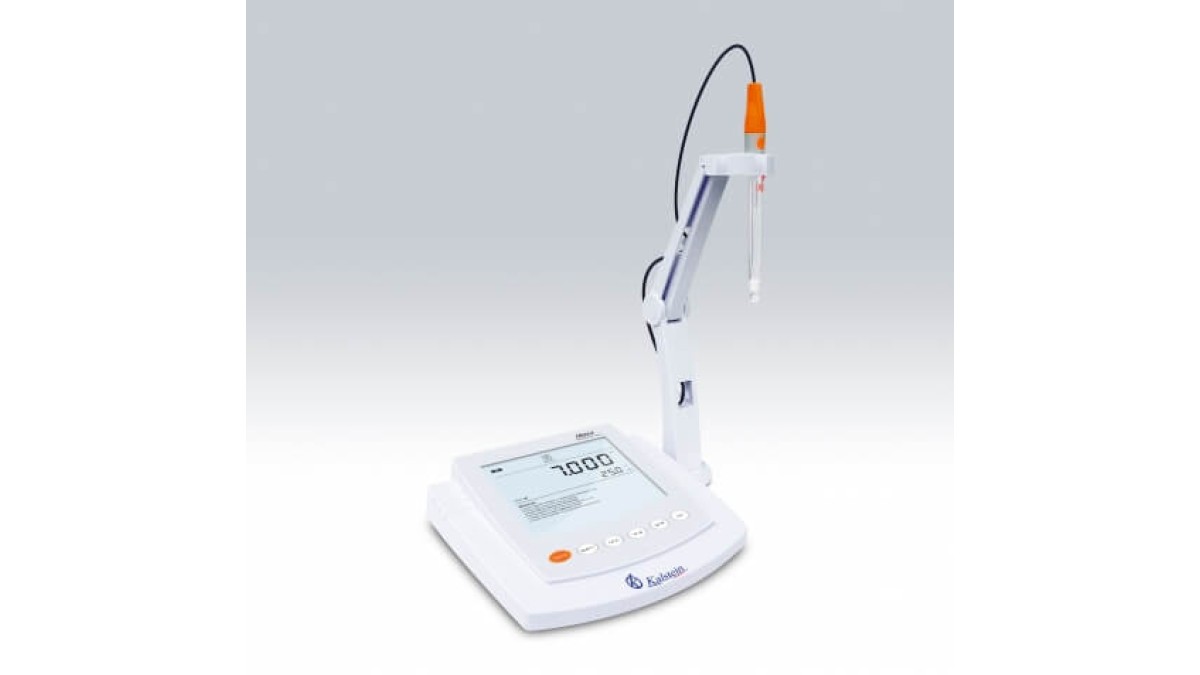
Table Conductivity Controllers: Techniques and Protocols for 2026
Table conductivity controllers are essential tools in laboratories for measuring the conductivity of solutions, which is crucial in various applications such as water quality testing, chemical analysis, and biological research. In 2026, advancements in design and technology have improved their functionality, making it vital for laboratory professionals to understand how to utilize these devices effectively.
What is it used for in 2026
In 2026, table conductivity controllers are widely used across various fields, including environmental monitoring, food and beverage testing, and pharmaceutical analysis. They help in assessing water quality, ensuring proper chemical concentrations, and maintaining optimal conditions in biological experiments. Specifically, they measure conductivity, TDS (Total Dissolved Solids), salinity, and resistivity, providing essential data for laboratory processes.
History and evolution of the technology
The technology behind conductivity measurement has evolved significantly over the past decades. Initially, analog methods were used, which offered limited precision and required manual calibration. The introduction of digital technology in the late 20th century marked a turning point, allowing for more accurate measurements and automated processes. By 2026, modern table conductivity controllers feature advanced microprocessors, automatic temperature compensation (ATC), and user-friendly interfaces, making them indispensable in contemporary laboratories.
How to use it step by step
- Ensure the device is properly calibrated before use. Refer to the manufacturer’s guidelines for calibration procedures.
- Prepare the sample to be tested by ensuring it is in a clean container to avoid contamination.
- Submerge the electrode of the conductivity meter into the sample solution, ensuring it is adequately covered.
- Wait for the reading to stabilize; this may take a few seconds to a minute.
- Record the conductivity value displayed on the screen, along with temperature readings if applicable.
- Once finished, rinse the electrode with distilled water to prevent any residue from affecting future readings.
- Document the results and ensure the device is turned off to conserve battery life.
Best techniques and protocols
When using table conductivity controllers, laboratory professionals should follow best practices to ensure accuracy and reliability:
- Calibrate the device regularly using standard calibration solutions.
- Use clean and appropriate containers for sample measurements to avoid cross-contamination.
- Implement proper storage techniques for the electrodes as per manufacturer recommendations.
- Maintain consistent temperature conditions during measurements, as conductivity can vary with temperature.
- Document all readings and calibration data meticulously for traceability.
Practical applications by laboratory type
Table conductivity controllers are utilized in various laboratory types, each with specific applications:
Environmental Laboratories
Used for monitoring water quality in rivers, lakes, and aquifers, measuring conductivity helps assess pollution levels and overall health of aquatic ecosystems.
Food and Beverage Laboratories
In food testing, conductivity measurements ensure the proper concentration of salt, sugar, and other additives, crucial for quality control and compliance with health regulations.
Pharmaceutical Laboratories
Conductivity controllers are used to ensure the purity of solvents and other chemical solutions used in drug formulation and testing.
Research and Development Laboratories
In R&D, these devices help scientists analyze the properties of new materials and solutions, playing a critical role in product development.
Regulations, standards and certifications
In 2026, compliance with international standards like ISO 17025 is essential for laboratories. Conductivity measurements should adhere to guidelines set by organizations such as the EPA for environmental testing, FDA for food safety, and other relevant bodies ensuring that all measurements are reliable and accurate.
Comparison with alternative technologies
While table conductivity controllers are widely used, alternative technologies such as portable conductivity meters and inline conductivity sensors are available. Portable meters offer flexibility for fieldwork, whereas inline sensors provide continuous monitoring in processes. The choice between these technologies depends on specific laboratory needs, including the required precision, convenience, and application.
Comparison of available models
| Model | Best for | Key specs | Recommended use case |
|---|---|---|---|
| YR01836-1 | Multiparameter Testing | pH Range: -2.000 to 20.000pH; Conductivity: up to 2000 µS/cm | Ideal for laboratories requiring versatile pH and conductivity measurements. |
| YR01836 | Advanced pH and Conductivity Measurement | pH Range: -2 ~ 19.999pH; Conductivity: up to 2000 µS/cm | Recommended for detailed analysis requiring high precision. |
| YR01829-1 | Standard Conductivity Testing | Conductivity Range: 0.01 to 20.00 mS/cm | Best for routine conductivity checks in various applications. |
| YR01829-2 | Standard Conductivity Testing | Conductivity Range: 0.01 to 20.00 mS/cm | Useful for daily monitoring of conductivity levels. |
| YR01829 | Advanced Conductivity Testing | pH Range: -1.999 ~ 19.999pH; Conductivity: up to 2000 µS/cm | Recommended for high-end research applications. |
| YR01828 | Multi-Parameter Measurement | Conductivity Range: 0.00 to 20.00 mS/cm; TDS Measurement | Ideal for comprehensive analysis of water quality. |
Common mistakes and how to avoid them
It is crucial to be aware of common pitfalls when using table conductivity controllers:
- Neglecting to calibrate regularly can lead to inaccurate readings. Always calibrate before use.
- Using contaminated containers for sample measurement can skew results. Use clean, dedicated containers.
- Failing to consider temperature effects on conductivity can result in incorrect data interpretation. Use ATC features when available.
- Not documenting readings can lead to loss of valuable data. Keep a detailed log of measurements and calibration.
Maintenance, calibration and good practices 2026
For optimal performance of table conductivity controllers, adherence to maintenance protocols is essential:
- Regularly clean electrodes with appropriate solutions to prevent buildup and contamination.
- Calibrate the device at least once a month or before critical measurements.
- Store the meter according to the manufacturer's guidelines to prolong its lifespan.
- Keep the software updated to benefit from the latest features and improvements.
Cost-benefit analysis 2026
The investment in table conductivity controllers can be justified by the precision and reliability they offer. Considering the costs associated with operational errors in laboratories, the benefits of having accurate measurement tools extend beyond just financial savings. They enhance product quality, ensure compliance with regulations, and improve overall laboratory efficiency.
Frequently asked questions
How do I choose the right conductivity controller for my laboratory?
Consider factors such as the required measurement range, accuracy, and specific applications in your laboratory. Assess whether you need a multipurpose device or a specialized meter for specific tasks.
What maintenance is required for table conductivity controllers?
Regular cleaning of electrodes, calibration, and proper storage are crucial for maintaining the functionality of the device. Follow the manufacturer's recommendations for specific maintenance guidelines.
Can I use a conductivity meter for non-aqueous solutions?
Many conductivity meters are designed for aqueous solutions. If you intend to measure non-aqueous solutions, verify if the device is suitable or consult with the manufacturer.
How often should I calibrate my conductivity meter?
It is recommended to calibrate your conductivity meter at least once a month or before important measurements to ensure accuracy.
What should I do if I get inconsistent readings?
Check for electrode contamination, verify calibration, and ensure the temperature compensation feature is functioning correctly. If problems persist, consult the user manual or contact support.
What is the significance of automatic temperature compensation (ATC)?
ATC adjusts conductivity readings based on the temperature of the sample, which is crucial as conductivity can vary significantly with temperature changes.
Where can I request a quote for a table conductivity controller?
To request a quote for a table conductivity controller, please visit our platform to explore our product offerings.
If you are looking for a fusion of innovation and quality, you have come to the right place. At Kalstein, we offer you the luxury of exploring our exclusive catalog of laboratory equipment. We manufacture every device to the highest standards of excellence. Our intuitive and seamless online purchasing channels are designed for your convenience, securing the most competitive prices. Hesitate no longer — we bring science to life, it is time to become part of our community.