Vacuum Ovens: Best Techniques and Protocols in 2026
What is it used for in 2026
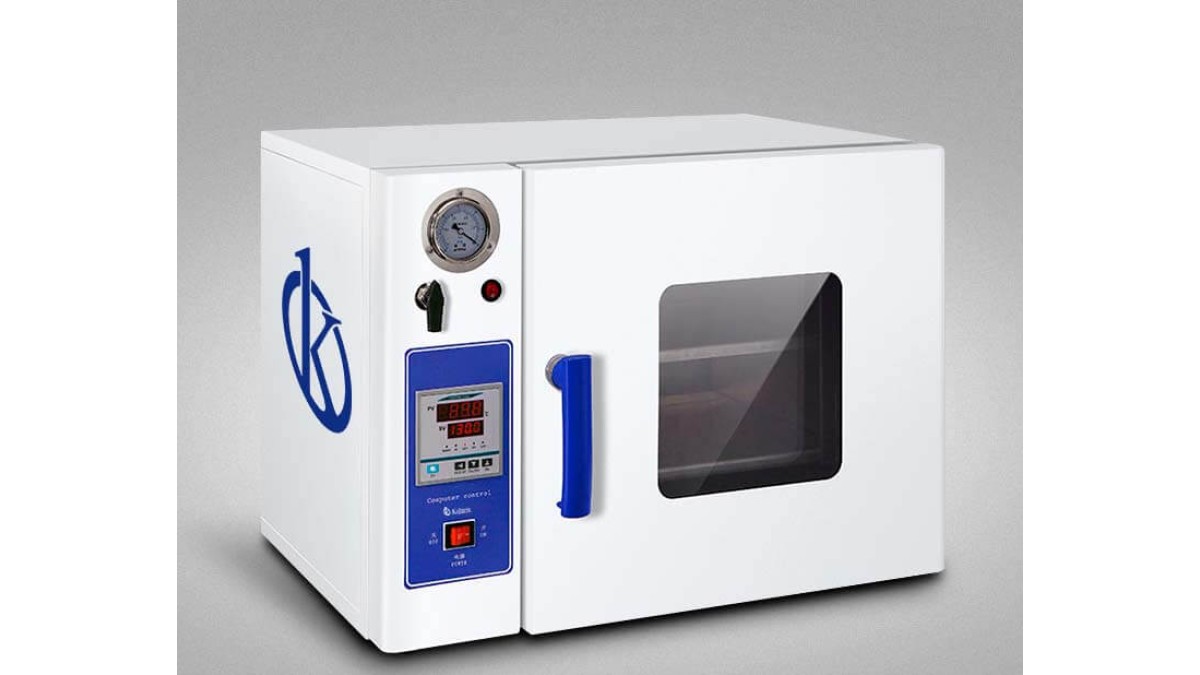
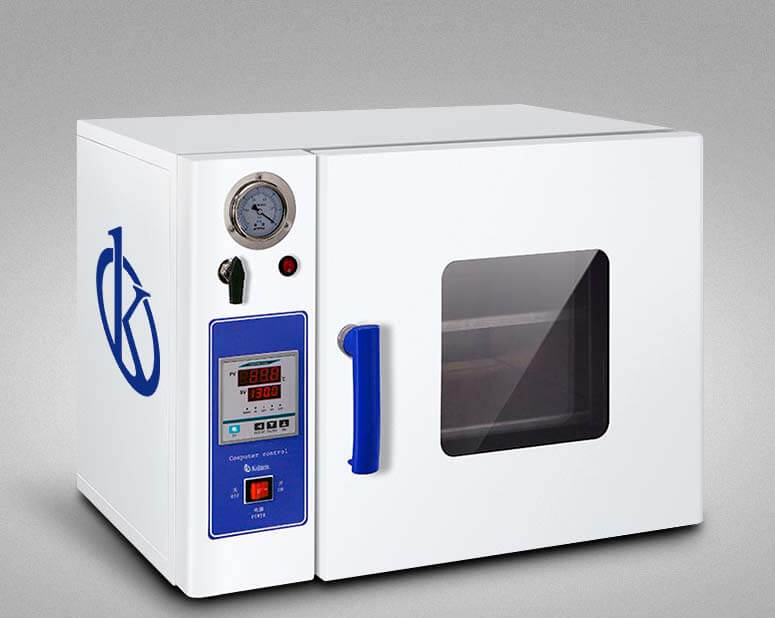
In 2026, vacuum ovens are widely used across various laboratory settings for processes that require precise temperature control and reduced atmospheric pressure. They are essential for drying heat-sensitive materials, sterilizing glassware, and evaporating solvents. The vacuum environment minimizes oxidation and enables the drying of materials without degrading their integrity. Laboratories in fields such as biochemistry, pharmaceuticals, healthcare, agricultural research, and environmental protection utilize vacuum ovens for applications that include drying powders, disinfection, and sterilization.
History and evolution of the technology
The technology behind vacuum ovens has evolved significantly since its inception. Early models lacked the precision and efficiency of modern units. Over the decades, advancements in materials, control systems, and vacuum technology have transformed these ovens into reliable instruments in laboratories. The introduction of digital controls and enhanced insulation materials has improved accuracy and energy efficiency, allowing laboratory professionals to achieve consistent and repeatable results.
How to use it step by step
Using a vacuum oven involves several steps to ensure proper functionality and safety:
- Preparation: Ensure the vacuum oven is clean and free from any residues. Inspect all seals and gaskets for integrity.
- Loading: Place samples in the oven on appropriate racks or trays, making sure they are not overcrowded to allow for optimal airflow.
- Setting Parameters: Set the desired temperature and vacuum level based on the specific requirements of your samples.
- Starting the Oven: Turn on the vacuum pump and monitor the pressure gauge to achieve the desired vacuum level.
- Monitoring: Regularly check the temperature and pressure settings throughout the drying process.
- Completion: Once the process is finished, allow the oven to return to atmospheric pressure before opening to prevent contamination.
- Post-Use: Clean the interior after each use and document the process for quality control.
Best techniques and protocols
In 2026, the following techniques and protocols are recommended for optimal use of vacuum ovens:
- Pre-drying: Pre-dry samples to remove excess moisture before placing them in a vacuum oven.
- Gradual Heating: Increase the temperature gradually to prevent thermal shocks to sensitive materials.
- Monitoring: Use sensors to continuously monitor temperature and vacuum levels to maintain desired conditions.
- Sample Preparation: Utilize appropriate containers, such as heat-resistant glass, to avoid chemical reactions.
- Documentation: Keep detailed records of each drying cycle for reproducibility and compliance with laboratory standards.
Practical applications by laboratory type
Different laboratory types utilize vacuum ovens for specific applications:
- Biochemistry Laboratories: Use vacuum ovens for drying biological samples while preserving their integrity.
- Pharmaceutical Laboratories: Employ vacuum ovens for drying active pharmaceutical ingredients and sterilizing equipment.
- Agricultural Research: Apply vacuum ovens for drying plant materials and ensuring accurate moisture content analysis.
- Environmental Laboratories: Utilize vacuum ovens to evaporate solvents used in sample preparation for environmental testing.
Regulations, standards and certifications
Laboratories using vacuum ovens must adhere to specific regulations and standards to ensure safety and quality. Compliance with ISO 9001 for quality management systems and ISO 13485 for medical device manufacturing is essential. Additionally, laboratories should follow Good Laboratory Practice (GLP) guidelines to ensure reliability in results and processes when using vacuum ovens.
Comparison with alternative technologies
Vacuum ovens differ from other drying technologies, such as conventional ovens and freeze dryers:
- Conventional Ovens: Operate at atmospheric pressure, which can cause thermal degradation of sensitive samples.
- Freeze Dryers: Ideal for preserving the structure of sensitive materials, but can be more expensive and time-consuming compared to vacuum ovens.
Vacuum ovens provide a unique combination of temperature control, reduced pressure, and fast drying times, making them suitable for a wide range of applications.
Comparison of available models
| Model | Best for | Key specs | Recommended use case |
|---|---|---|---|
| YR05260-A | Heat-sensitive materials | Temperature Range: RT + 5 ~ 250°C; Power: 0.9 kW | Drying biological samples |
| YR05261-A | General drying | Temperature Range: RT + 5 ~ 250°C; Power: 0.9 kW | Pharmaceutical applications |
| YR05262-SS | Organics drying | Temperature Range: RT + 5 ~ 250°C; Power: 0.9 kW | Environmental testing |
| YR05263-SS | Complex samples | Temperature Range: RT + 5 ~ 250°C; Power: 1.4 kW | Agricultural research |
| YR05264-A | Stable drying | Temperature Range: RT + 5 ~ 250°C; Power: 1.4 kW | Health care sterilization |
| YR05265-SS | High-performance drying | Temperature Range: RT + 5 ~ 250°C; Power: 1.4 kW | Research laboratory experiments |
Common mistakes and how to avoid them
Here are some common mistakes when using vacuum ovens and how to avoid them:
- Overloading the Oven: Ensure there is enough space between samples for optimal airflow; overcrowding can lead to uneven drying.
- Ignoring Calibration: Regularly calibrate temperature and pressure gauges to maintain accuracy.
- Inadequate Cleaning: Clean the oven thoroughly after each use to prevent contamination.
Maintenance, calibration and good practices 2026
To ensure longevity and optimal performance of vacuum ovens, follow these maintenance practices:
- Regular Cleaning: Clean the interior and exterior surfaces regularly, using appropriate cleaning agents.
- Calibration: Conduct routine calibration of temperature and pressure readings to ensure accurate performance.
- Inspection: Regularly check seals and gaskets for damage to maintain vacuum integrity.
Cost-benefit analysis 2026
In 2026, vacuum ovens have become a crucial investment for laboratories due to their efficiency and versatility. While the initial cost may be higher than other drying technologies, the long-term benefits include:
- Reduced Operating Costs: Lower energy consumption due to efficient temperature control.
- Versatility: Ability to dry various materials, reducing the need for multiple drying systems.
- Improved Productivity: Faster drying times lead to increased throughput and laboratory efficiency.
This analysis shows that investing in a vacuum oven can yield significant returns in productivity and effectiveness over time.
Frequently asked questions
What is the best vacuum oven for drying biological samples?
The YR05260-A model is well-suited for drying biological samples due to its precise temperature control and vacuum capabilities.
How often should I calibrate my vacuum oven?
It is recommended to calibrate your vacuum oven at least once every six months or more frequently if used heavily to ensure accuracy.
Can vacuum ovens be used for sterilization?
Yes, vacuum ovens can be used for sterilizing glassware and instruments by eliminating moisture and effectively killing microorganisms.
What are the common materials I can dry using a vacuum oven?
Common materials include biological samples, pharmaceutical compounds, and organic chemicals that are sensitive to heat and oxidation.
How do I avoid thermal shock when using a vacuum oven?
To avoid thermal shock, gradually increase the temperature when drying sensitive materials to prevent abrupt temperature changes.
What safety precautions should I take when using a vacuum oven?
Always ensure proper ventilation, wear appropriate PPE, and follow operational guidelines specific to your model to maintain safety.
How can I request a quote for a vacuum oven?
You can request a quote for a vacuum oven by contacting our sales team or visiting our online platform for quick access to pricing and specifications.
If you are looking for a fusion of innovation and quality, you have come to the right place. At Kalstein, we offer you the luxury of exploring our exclusive catalog of laboratory equipment. We manufacture every device to the highest standards of excellence. Our intuitive and seamless online purchasing channels are designed for your convenience, securing the most competitive prices. Hesitate no longer — we bring science to life, it is time to become part of our community.