Water Baths: Practical Applications and Techniques 2026
What is it used for in 2026
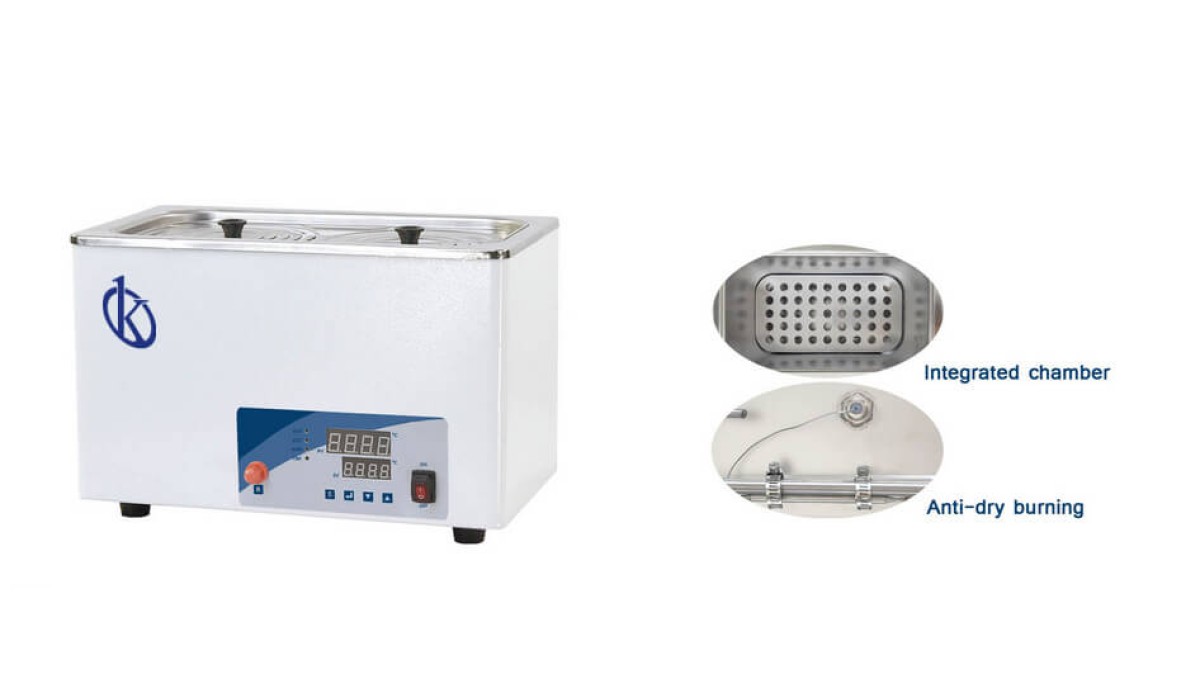
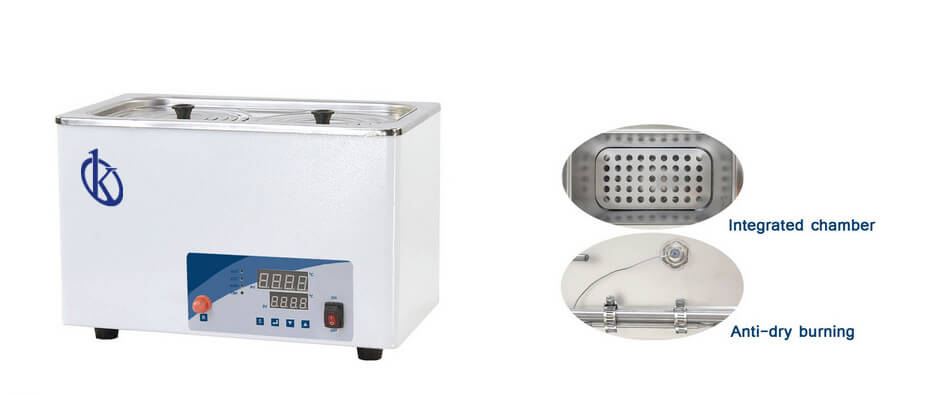
Water baths are essential tools in laboratory environments, used for a variety of applications including heating samples, incubating bacterial cultures, and performing biochemical reactions that require precise temperature control. In 2026, their role has expanded to accommodate the growing complexities of scientific research and industrial processes. The versatility of water baths allows researchers and laboratory professionals to maintain optimal conditions for chemical reactions and biological studies.
History and evolution of the technology
The concept of using water as a temperature control medium dates back to the early 20th century. Initially, water baths were simple, manually controlled devices that relied on direct heating sources. As technology evolved, so did water baths, incorporating digital controls, PID (Proportional-Integral-Derivative) technology for enhanced precision, and improved safety features. By 2026, modern water baths are equipped with advanced controls, offering robust functionality such as dual heating and cooling capabilities, and automated monitoring.
How to use it step by step
- Set Up: Ensure the water bath is placed on a stable surface away from direct sunlight and drafts.
- Fill with Water: Fill the chamber with distilled water, avoiding overfilling to prevent spills.
- Connect Power: Plug the device into an appropriate power source, checking that the voltage matches specifications.
- Adjust Temperature: Use the control panel to set the desired temperature, ensuring it aligns with your protocols.
- Pre-heat: Allow the bath to reach the set temperature before placing samples inside.
- Add Samples: Carefully place samples in the water bath using appropriate supports or holders.
- Monitor: Regularly check the temperature and adjust if necessary during the experiment.
- Clean Up: After use, empty the water and clean the chamber according to safety protocols.
Best techniques and protocols
To maximize the efficiency of water baths, adhere to the following best practices: always calibrate your device before use, maintain consistent water levels for temperature stability, and ensure that samples are fully submerged for even heating. Regularly monitor the temperature with separate calibrated thermometers to ensure accuracy. Implementing these techniques will help improve experimental reproducibility and reliability in results.
Practical applications by laboratory type
In clinical laboratories, water baths are often used for the incubation of microbial cultures, where precise temperature is critical for optimal growth. In research laboratories, they facilitate biochemical reactions and the preparation of enzyme assays. Industrial laboratories utilize water baths in quality control processes, ensuring that materials are subjected to consistent thermal conditions.
Regulations, standards and certifications
In 2026, water baths must comply with strict regulatory standards set by organizations such as ISO and ASTM. These regulations ensure equipment is safe for laboratory use and meets performance specifications. Regular certification and calibration checks are mandatory to maintain compliance and ensure accurate results.
Comparison with alternative technologies
Alternative technologies, such as heating blocks or dry baths, offer specific advantages over water baths, particularly in applications requiring rapid heating and cooling. However, water baths provide a more uniform temperature distribution and are better suited for large samples or vessels that require immersion in a heat transfer fluid. The choice between these technologies largely depends on the specific needs of the experiment.
Comparison of available models
| Model | Best for | Key specs | Recommended use case |
|---|---|---|---|
| YR05073 | General laboratory heating | Temperature range: RT +5~100 °C, PID control | Incubating cultures, heating samples |
| YR05074 | Various laboratory applications | Temperature range: RT +5~100 °C, PID control | General laboratory research tasks |
| YR030L | Shaking incubations | Temperature range: RT~100°C, adjustable shaking | Biological assays requiring agitation |
| YR05001 | Chemical reaction control | Temperature range: -35-200 °C, digital control | Use in reactors for chemical synthesis |
| YR05002 | Large scale chemical reactions | Temperature range: -35-200 °C, high power | Large reactor applications |
| YR05003 | High capacity cooling and heating | Temperature range: -35-200 °C, high efficiency | Multi-purpose laboratory heating and cooling |
Common mistakes and how to avoid them
Common mistakes include overfilling the water bath, which can lead to spills and inaccuracies, and not pre-heating the bath before adding samples, which can compromise results. To avoid these issues, always follow the manufacturer’s guidelines for filling and operation, regularly check water levels, and pre-heat as necessary before use.
Maintenance, calibration and good practices 2026
Regular maintenance of water baths includes cleaning the chamber after each use, checking seals and connections for leaks, and calibrating temperature settings every few months. Investing in routine checks ensures long-term performance and reliability. Following good practices, such as logging use and any discrepancies in temperature readings, will help in maintaining the device's integrity.
Cost-benefit analysis 2026
Investing in a high-quality water bath can be cost-effective in the long run, as it enhances operational efficiency and accuracy in laboratory work. While initial costs may be higher for advanced models, the benefits of reduced errors and improved reproducibility can lead to significant savings on reagents and time.
Frequently asked questions
What should I consider when choosing a water bath?
When selecting a water bath, consider factors such as temperature range, capacity, precision, and whether you require additional features like shaking or cooling. Assess your laboratory's specific needs to ensure the best fit.
How do I maintain my water bath for optimal performance?
To maintain optimal performance, regularly clean the chamber, calibrate temperature settings, and check for any operational issues. Following the manufacturer's maintenance guidelines will ensure longevity.
Can water baths be used for all types of laboratory samples?
Water baths are versatile, but it’s important to ensure that the samples are compatible with water immersion. Avoid using materials that are sensitive to water or excessive heat.
What are the advantages of using a PID-controlled water bath?
PID-controlled water baths provide precise temperature maintenance, reducing fluctuations. This accuracy is crucial for experiments requiring strict temperature regulation.
Is it necessary to pre-heat the water bath before use?
Yes, pre-heating ensures that the temperature is stable before adding samples, which is crucial for achieving reliable experimental results.
How often should I calibrate my water bath?
Calibration should be performed every few months or prior to important experiments to ensure the accuracy of temperature readings.
Where can I find high-quality water baths?
For high-quality water baths, consider reputable suppliers who specialize in laboratory equipment. You can also request a quote on Kalstein Plus to explore available options.
If you are looking for a fusion of innovation and quality, you have come to the right place. At Kalstein, we offer you the luxury of exploring our exclusive catalog of laboratory equipment. We manufacture every device to the highest standards of excellence. Our intuitive and seamless online purchasing channels are designed for your convenience, securing the most competitive prices. Hesitate no longer — we bring science to life, it is time to become part of our community.