
Advances in Veterinary Ophthalmic Technology: Fundus Cameras
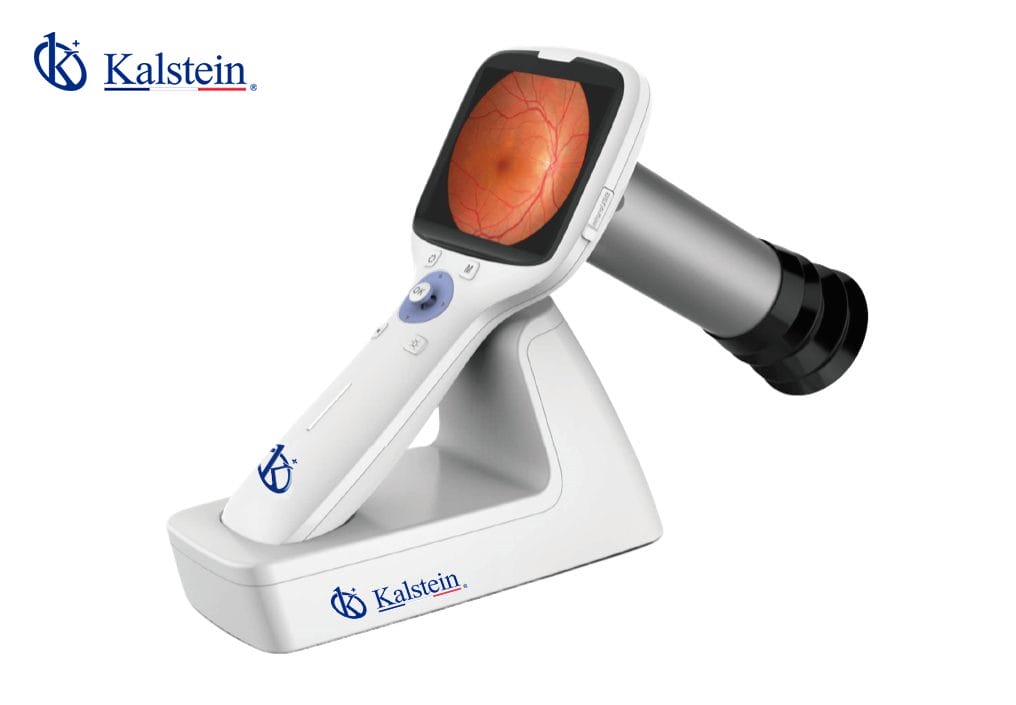
In modern veterinary medicine, animal eye health is a crucial aspect that requires specialized equipment to ensure accurate and timely diagnosis. Veterinary fundus cameras have significantly evolved, offering advanced technology for the documentation and evaluation of ocular conditions in various species.
Advanced Technology in Veterinary Grooming Clippers

Working with animals in veterinary grooming requires precision, confidence, and the right tools. One of the most important tools, without a doubt, is the clipper. I have had the opportunity to try different models, and I can confidently say that technology has significantly advanced in this field, making the work of veterinary groomers easier and improving the experience for the animals.
Precision in Animal Ophthalmology
Veterinary ophthalmology is a fascinating and essential field to ensure the ocular health of our animals. Throughout my experience using veterinary fundus cameras, I’ve witnessed how these devices have become indispensable tools for diagnosing and treating various eye conditions in animals. These devices allow veterinarians to obtain detailed images of the fundus, facilitating an accurate assessment of ocular health.
Innovation in Animal Visual Evaluation
The advancement of veterinary technology has allowed for better visual evaluation in animals, and one of the devices that has made a significant difference is the Veterinary Fundus Camera.
Modern Veterinary Ophthalmic Examinations with Fundus Cameras
Technology has revolutionized veterinary medicine, and one of the most crucial aspects of this advancement is ophthalmic diagnosis in animals.
Veterinary Fundus Imaging: Advanced Tools for Diagnosis
In the field of veterinary medicine, the ability to obtain accurate and detailed images of our patients’ fundus is crucial for effective diagnosis. Veterinary Fundus Cameras have revolutionize the way veterinarians approach animal eye health, enabling early detection of diseases and facilitating more effective treatments.
Advances in Animal Eye Health: Veterinary Fundus Cameras
Animal eye health has gained significant importance in modern veterinary medicine. Having had the opportunity to test and work with various Veterinary Fundus Cameras, I can attest that these devices are essential for the accurate diagnosis of ocular pathologies in our animal patients.
High-Quality Veterinary Analysis: Fundus Cameras
Fundus cameras in veterinary medicine are essential tools for accurately diagnosing eye diseases in a wide variety of animals, from pets to farm animals and exotics. In my experience, having the right equipment for evaluating the fundus can make a big difference in the speed and accuracy of treatment.
Reliable Results in Every Cycle: Trusted Veterinary Sterilizers
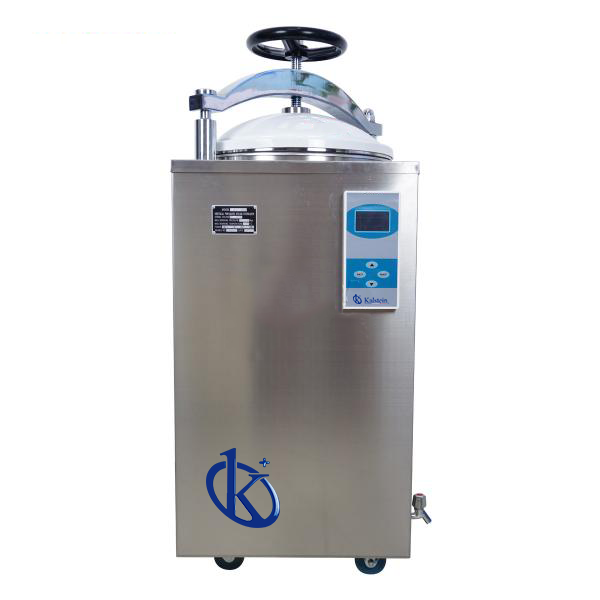
Veterinary autoclaves are essential in any modern veterinary clinic. Their main function is to ensure the complete sterilization of instruments and materials, thus eliminating the risk of infections among patients. These devices use highpressure steam to eradicate all microorganisms, including bacteria, viruses, and spores. Sterilization is undoubtedly a crucial process that ensures the safety of both clinical staff and treated animals.
Impeccable Hygiene for Your Instruments Veterinary Sterilizers
Veterinary autoclaves are indispensable tools in any modern clinic. Their primary function is to ensure the complete sterilization of instruments and materials, eliminating the risk of infections for patients. These devices work using highpressure steam, capable of eliminating all types of microorganisms, including bacteria, viruses, and spores. Sterilization is a critical process that ensures the safety of both clinical staff and treated animals.