
Capture Critical Details with Next-Generation Veterinary Fundus Cameras
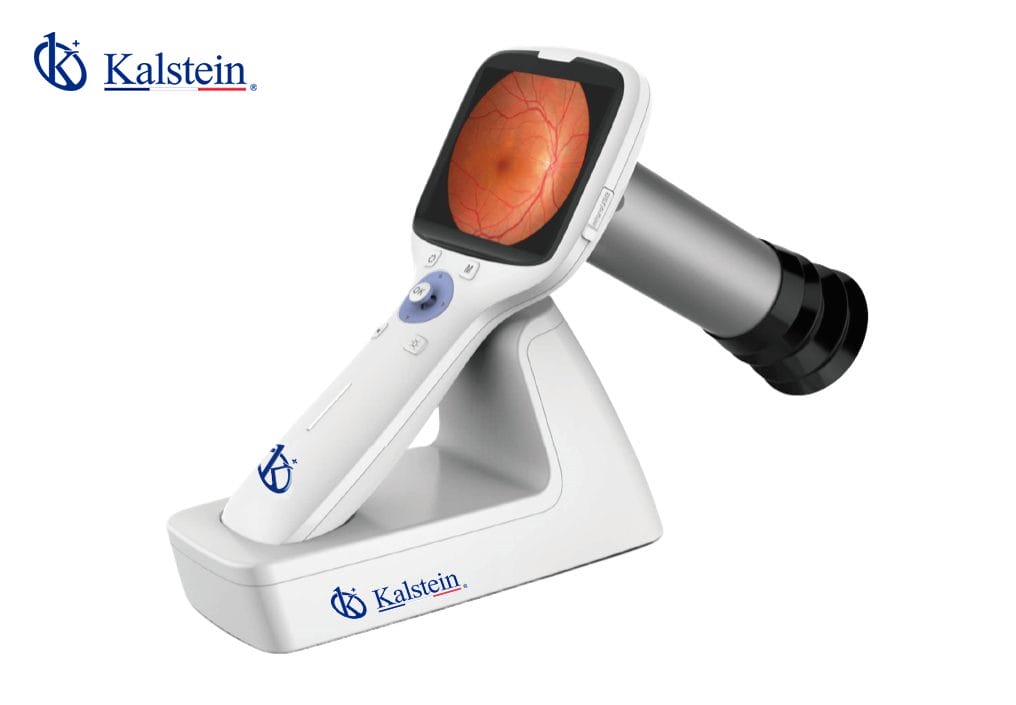
Veterinary ophthalmology has seen significant advancements with the introduction of specialized fundus cameras. These tools allow veterinarians to make more precise and detailed diagnoses, improving pet care and treatment.
Innovation in Veterinary Ophthalmic Diagnostics: Compact and Precise Fundus Camera
Ophthalmic diagnostics in animals is a constantly evolving field, where precision and technology play a crucial role. The veterinary fundus camera, such as the one offered by Kalstein, has revolutionized this field, enabling more accurate and detailed diagnoses in veterinary clinics. With a compact design and high precision, these cameras are designed to capture high-quality images of the fundus, facilitating the detection of eye diseases in a wide variety of species.
Optimize Your Veterinary Eye Exams with High-Definition Fundus Cameras
In the field of veterinary medicine, precision and quality are essential for ensuring accurate diagnoses and effective treatments. One of the most revolutionary devices in veterinary ocular diagnosis is the fundus camera.
Veterinary Fundus Camera: Accurate Diagnostics with Ultra-Clear Images
Veterinary fundus cameras are essential tools in modern veterinary medicine. Their primary function is to provide a detailed view of the back of an animal’s eye, facilitating accurate diagnoses and early detection of various ocular pathologies. The technology behind these cameras has significantly advanced, now offering high-resolution images that allow veterinarians to work with greater confidence and precision.
Advanced Technology for Veterinary Ophthalmic Examinations: High-Resolution Fundus Camera
The veterinary fundus camera is an essential tool in modern veterinary ophthalmology practice. It allows veterinarians to capture detailed images of the fundus in various animal species, which is crucial for diagnosing and monitoring eye diseases. These cameras are distinguished by their ability to provide high-resolution images, which are fundamental for accurate diagnosis.
Veterinary Centrifuge with Multiple Programs: Adaptability in the Laboratory
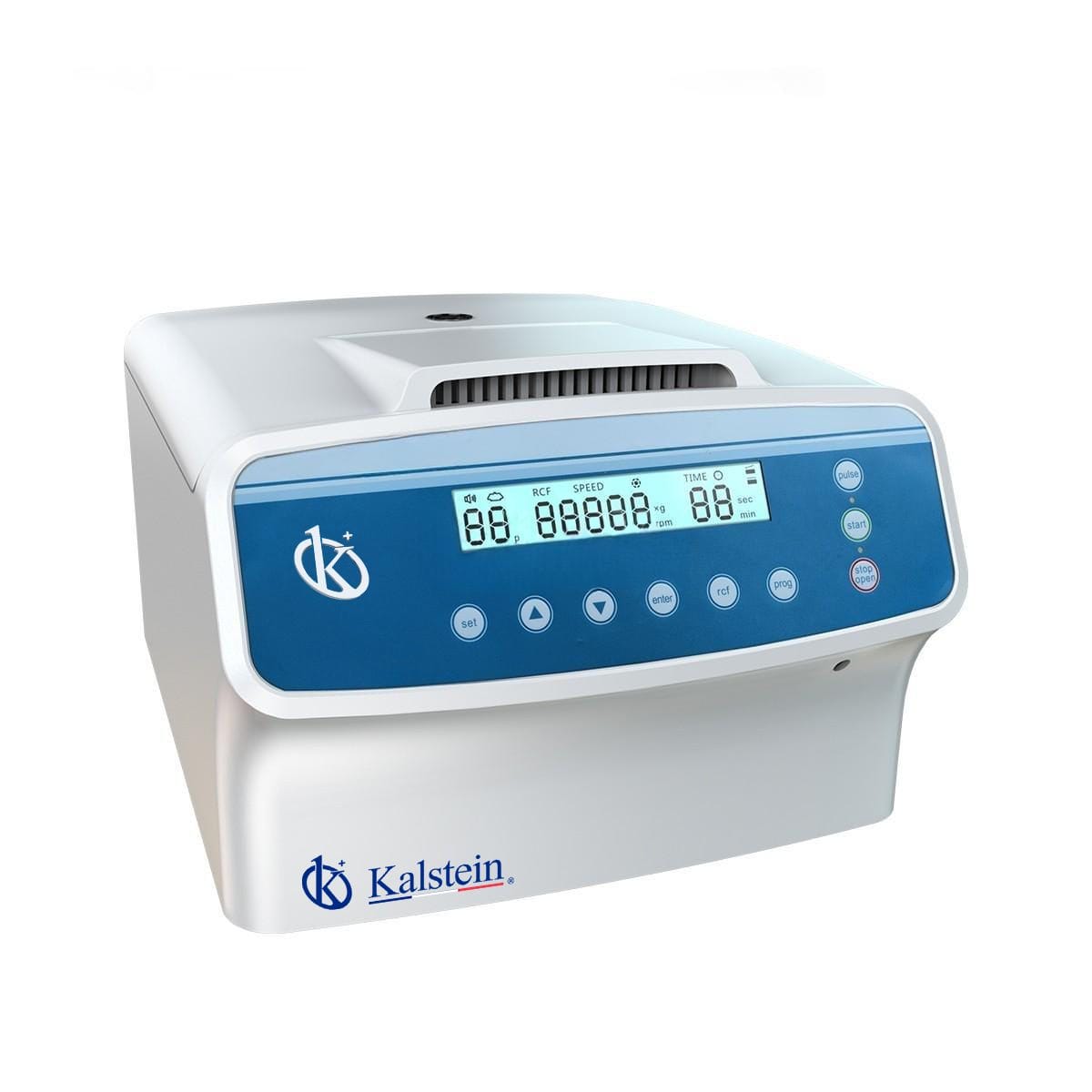
When it comes to veterinary laboratories, efficiency and precision are essential for obtaining reliable results. Veterinary centrifuges play a crucial role in this process, allowing for the effective separation of biological samples. As a professional who has extensively worked with laboratory equipment, I can confidently say that a good veterinary centrifuge can make a significant difference in the quality of diagnostics and treatments.
Innovation in Veterinary Centrifuges with Automated Functions
The veterinary centrifuge is an indispensable tool in any modern veterinary clinic or laboratory. With its ability to separate components of biological samples, it allows veterinarians and technicians to obtain quick and precise results for diagnoses and treatments.
Veterinary Centrifuge Technology for Complex Diagnostics
In the field of veterinary medicine, veterinary centrifuges are essential tools for the analysis and diagnosis of various biological samples. These centrifuges allow for the separation of specific components from a sample, such as blood or tissue, thereby facilitating the identification of diseases and health conditions in animals.
Veterinary Centrifuge for Field Use: Portability and Robustness
Centrifugation is an essential technique in veterinary laboratories as it allows the separation of sample components through the application of centrifugal forces. Veterinary centrifuges are specifically designed to meet the unique needs of veterinary clinics and laboratories. These units must be robust, portable, and capable of handling a variety of animal samples.
High-Speed Veterinary Centrifuge: Reliable Results in Minutes
Centrifugation is a fundamental technique in the veterinary laboratory, used to quickly and efficiently separate components in biological samples such as blood and urine. The veterinary centrifuge is an indispensable tool for veterinarians seeking reliable results in the shortest possible time. These machines are designed to handle the specificities of veterinary samples, providing precise and consistent separation.