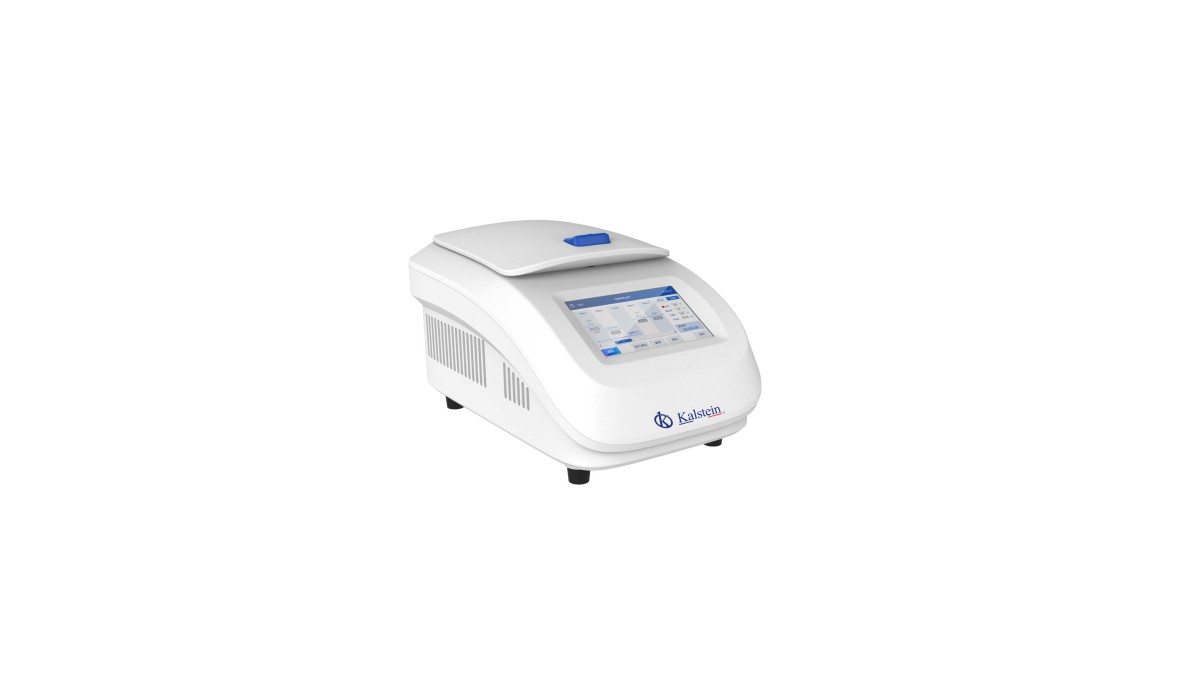
Incubatori BOD Biochimici: Applicazioni Pratiche nei Laboratori Clinici e Ospedalieri 2026
A cosa serve nel 2026
Nel 2026, gli incubatori BOD biochimici sono strumenti essenziali nei laboratori clinici e ospedalieri. Sono principalmente utilizzati per la coltivazione di microrganismi a temperature controllate, consentendo ai professionisti di laboratorio di condurre una varietà di reazioni biochimiche, come l'amplificazione del DNA, la denaturazione delle proteine e la conservazione dei campioni. Questi incubatori forniscono un controllo preciso della temperatura, fondamentale per esperimenti che richiedono condizioni termiche specifiche. Inoltre, questi incubatori sono inestimabili per applicazioni relative al monitoraggio ambientale, ai test di sicurezza alimentare e alla diagnostica clinica.
Storia ed evoluzione della tecnologia
Gli incubatori BOD biochimici si sono evoluti significativamente dalla loro nascita. Inizialmente, gli incubatori erano dispositivi semplici che si basavano su bagni d'acqua per mantenere la temperatura. Nel corso degli anni, i progressi tecnologici hanno portato allo sviluppo di modelli più sofisticati, che incorporano controlli a microprocessore e sistemi basati su Peltier che offrono una regolazione precisa della temperatura. Questa evoluzione ha facilitato migliori prestazioni in vari ambienti di laboratorio, consentendo una maggiore efficienza operativa e risultati più affidabili.
Come usarlo passo dopo passo
Utilizzare un incubatore BOD biochimico in modo efficace implica diversi passaggi chiave:
- Preparazione: Assicurati che l'incubatore sia pulito e calibrato. Raccogli tutti i campioni e i materiali necessari per l'esperimento.
- Impostazione della temperatura: Inserisci le impostazioni di temperatura desiderate in base ai requisiti specifici del tuo esperimento. Per modelli come YR05889 e YR05890, le temperature possono essere regolate da R.T. -25℃ a 100℃.
- Caricamento dei campioni: Posiziona i tuoi campioni nell'incubatore, assicurandoti che siano posizionati uniformemente per un riscaldamento uniforme.
- Avvio dell'incubatore: Accendi l'incubatore e monitora il display della temperatura per confermare che si stabilizzi al punto di impostazione desiderato.
- Monitoraggio: Controlla periodicamente la temperatura dell'incubatore e le condizioni dei campioni, regolando le impostazioni se necessario.
- Completamento: Una volta terminato il periodo di incubazione, rimuovi i campioni con cautela e procedi con le analisi successive.
Migliori tecniche e protocolli
Per ottenere risultati ottimali con gli incubatori BOD biochimici, è importante seguire tecniche e protocolli consolidati:
- Calibrazione della temperatura: Calibra regolarmente il sensore di temperatura dell'incubatore per mantenere l'accuratezza.
- Manutenzione regolare: Pulisci l'incubatore per prevenire contaminazioni e garantire un funzionamento efficiente.
- Preparazione dei campioni: Prepara correttamente i campioni per evitare contaminazioni incrociate e garantire riproducibilità.
- Registrazione della temperatura: Utilizza le funzionalità di registrazione dei dati per monitorare le fluttuazioni di temperatura nel tempo, specialmente per esperimenti lunghi.
Applicazioni pratiche per tipo di laboratorio
Gli incubatori BOD biochimici servono vari tipi di laboratori, tra cui:
- Laboratori Clinici: Utilizzati per la conservazione dei campioni e per eseguire saggi biochimici.
- Laboratori di Ricerca: Ideali per condurre esperimenti che richiedono condizioni termiche specifiche, come l'amplificazione del DNA.
- Laboratori Ambientali: Impiegati nell'analisi di campioni biologici per il monitoraggio ambientale.
- Laboratori di Sicurezza Alimentare: Utilizzati per coltivare microrganismi per testare la sicurezza e la qualità degli alimenti.
Regolamenti, standard e certificazioni
Per garantire sicurezza e affidabilità, i laboratori che utilizzano incubatori BOD biochimici devono conformarsi a vari regolamenti e standard:
- Standard ISO: Vari standard ISO si applicano, garantendo la gestione della qualità e la sicurezza delle attrezzature da laboratorio.
- Regolamenti FDA: Per i laboratori che trattano applicazioni cliniche, l'aderenza ai regolamenti FDA è cruciale per la conformità.
- Buone Pratiche di Laboratorio (GLP): Seguire le GLP garantisce che tutto il lavoro di laboratorio sia condotto secondo rigorose linee guida procedurali per la coerenza.
Confronto con tecnologie alternative
Sebbene gli incubatori BOD biochimici siano ampiamente utilizzati, esistono tecnologie alternative per il controllo della temperatura negli ambienti di laboratorio:
- Bagni d'acqua: Generalmente utilizzati per compiti di riscaldamento semplici ma privi di controllo preciso della temperatura.
- Incubatori Convenzionali: Più versatili ma possono essere più ingombranti e meno efficienti per compiti specifici rispetto agli incubatori BOD.
- Camerette Ambientali: Offrono controlli ambientali più ampi ma sono spesso più costose e complesse.
Confronto dei modelli disponibili
| Modello | Ideale per | Specifiche chiave | Uso raccomandato |
|---|---|---|---|
| YR05889 | Conservazione dei campioni e reazione | AC100~240V, R.T. -25℃ ~100℃, ±0.5℃ di accuratezza | Amplificazione del DNA e denaturazione delle proteine |
| YR05890 | Applicazioni di riscaldamento e raffreddamento | AC100~240V, R.T.+5℃ ~105℃, ±1.0℃ di accuratezza | Reazioni proteiche che richiedono un controllo preciso della temperatura |
| YR05891 | Piccole attività di laboratorio | 12V DC, timer 0~99h, ±0.3℃ di accuratezza | Ideale per kit di ispezione rapida e piccoli laboratori |
| YR05892 | Applicazioni di laboratorio portatili | 12V DC, timer 0~99h, ±0.3℃ di accuratezza | Ottimo per test sul campo e laboratori remoti |
| YR05893 | Esigenze di incubazione compatte | 12V DC, timer 0~99h, ±0.3℃ di accuratezza | Test rapidi che richiedono uno spazio minimo |
| YR05894 | Reazioni biochimiche generali | Potenza 150W, RT+5℃ ~105℃, ±0.3℃ di accuratezza | Adatto per varie attività di laboratorio, inclusa la coagulazione del siero |
Errori comuni e come evitarli
I professionisti di laboratorio commettono spesso diversi errori comuni quando utilizzano incubatori BOD biochimici:
- Impostazioni di temperatura inaccurate: Controlla sempre due volte le impostazioni di temperatura prima di avviare i test per garantire che soddisfino i requisiti sperimentali.
- Poor Sample Placement: Distribuisci i campioni uniformemente all'interno dell'incubatore per garantire una distribuzione uniforme della temperatura.
- Mancanza di manutenzione: Trascurare la pulizia e la calibrazione regolari può portare a risultati inaccurati. Implementa un programma di manutenzione di routine.
- Ignorare le linee guida del produttore: Riferisciti sempre alle linee guida del produttore per un uso e una cura ottimali dell'incubatore.
Manutenzione, calibrazione e buone pratiche 2026
Per mantenere l'efficienza degli incubatori BOD biochimici, segui queste buone pratiche:
- Calibrazione regolare: Assicurati che i sensori di temperatura dell'incubatore siano calibrati secondo le specifiche del produttore.
- Pulizia di routine: Pulisci l'interno e l'esterno dell'incubatore per evitare contaminazioni e garantire risultati affidabili.
- Monitoraggio delle prestazioni: Tieni d'occhio i registri di temperatura e le metriche delle prestazioni per identificare eventuali deviazioni dalle operazioni standard.
Analisi costi-benefici 2026
Quando si considera l'acquisto di un incubatore BOD biochimico, è essenziale condurre un'analisi costi-benefici:
- Investimento iniziale: Analizza il costo iniziale di acquisto dell'incubatore e delle sue caratteristiche, confrontandolo con i budget di laboratorio.
- Efficienza operativa: Valuta come l'incubatore migliora l'efficienza operativa e riduce il tempo sperimentale, il che può portare a risparmi.
- Affidabilità a lungo termine: Considera l'affidabilità e la durata a lungo termine dell'incubatore, poiché influisce sulle operazioni complessive del laboratorio.
Domande frequenti
Qual è l'intervallo di temperatura adatto per le applicazioni tipiche?
L'intervallo di temperatura adatto per la maggior parte delle applicazioni negli incubatori BOD biochimici è compreso tra R.T. +5℃ e 100℃, a seconda delle esigenze specifiche dei tuoi esperimenti.
Con quale frequenza dovrei calibrare il mio incubatore BOD biochimico?
Si consiglia di calibrare il proprio incubatore almeno una volta ogni sei mesi o ogni volta che si notano discrepanze nelle letture di temperatura.
Posso utilizzare il mio incubatore per più tipi di campioni?
Sì, gli incubatori BOD biochimici sono versatili e possono essere utilizzati per vari campioni, comprese colture biologiche, campioni di DNA e reazioni chimiche, a condizione che siano soddisfatti i requisiti di temperatura.
Qual è l'importanza di mantenere l'uniformità della temperatura?
Mantenere l'uniformità della temperatura è fondamentale per ottenere risultati coerenti e affidabili in tutti i campioni durante gli esperimenti.
Esistono protocolli specifici per la pulizia dell'incubatore?
Sì, dovresti seguire i protocolli di pulizia specifici del produttore, che generalmente includono l'uso di agenti di pulizia non corrosivi e assicurarsi che tutte le superfici siano asciutte prima dell'uso.
Come posso prevenire la contaminazione nel mio incubatore?
Per prevenire la contaminazione, assicurati che l'incubatore venga pulito regolarmente, evita di sovraffollare i campioni e utilizza contenitori sterili quando posizioni i campioni all'interno.
Dove posso trovare un fornitore affidabile di incubatori BOD biochimici?
Puoi esplorare vari fornitori di incubatori BOD biochimici; tuttavia, è consigliabile richiedere un preventivo per un modello specifico per assicurarti di ottenere i migliori prezzi e servizi.
Se stai cercando una fusione di innovazione e qualità, sei nel posto giusto. Da Kalstein, ti offriamo il lusso di esplorare il nostro catalogo esclusivo di attrezzature da laboratorio. Produciamo ogni dispositivo secondo i più alti standard di eccellenza. I nostri canali di acquisto online intuitivi e senza soluzione di continuità sono progettati per la tua comodità, garantendo i prezzi più competitivi. Non esitare oltre: portiamo la scienza alla vita, è tempo di diventare parte della nostra comunità.