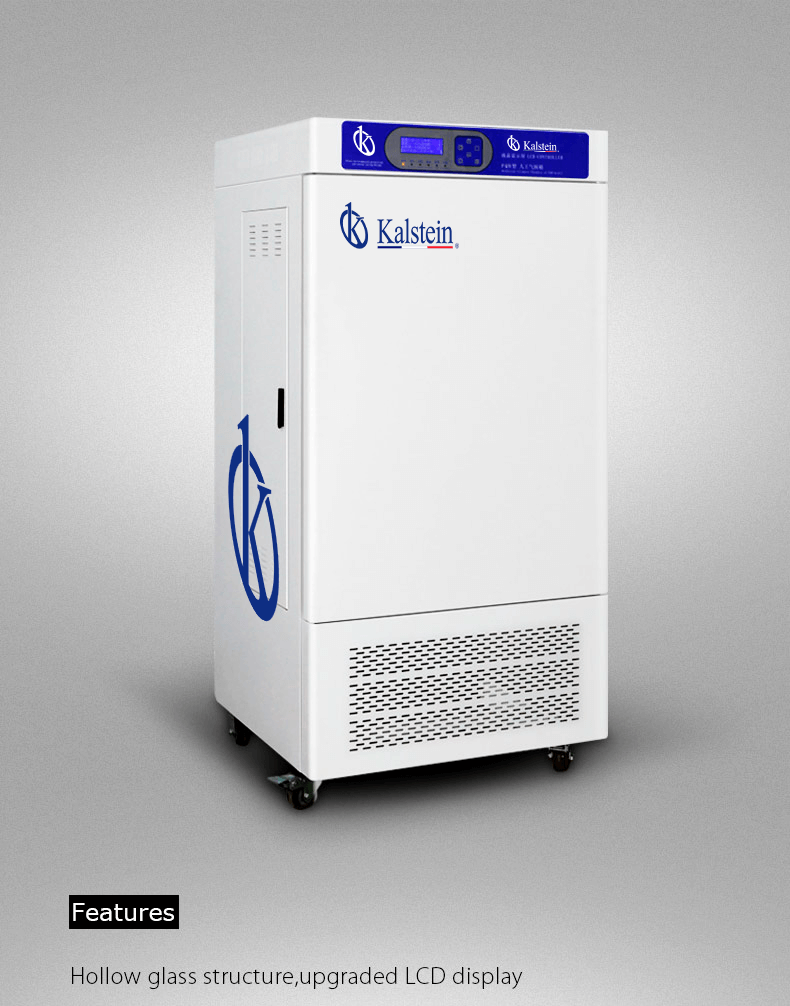
Plant Growth Chambers: Best Techniques and Protocols 2026
What is it used for in 2026
In 2026, Plant Growth Chambers are essential in various scientific fields, including agriculture, biology, and medicine. These chambers provide controlled environments for plant growth, allowing researchers to manipulate variables such as temperature, humidity, and light to study plant responses under various conditions. They are widely utilized for seed germination, plant cultivation, microbiological studies, quality testing of products, and experiments requiring constant temperatures. By simulating optimal growing conditions, researchers can ensure consistent results and enhance the quality of their experimental outputs.
History and evolution of the technology
The concept of controlled environment agriculture dates back several decades, evolving from simple greenhouses to sophisticated climate-controlled chambers. Initially, these chambers were limited in terms of technology and adaptability, often relying on manual controls. However, advancements in microcontroller technology and materials science have revolutionized the design and functionality of Plant Growth Chambers. The incorporation of features such as automatic defrosting, eco-friendly refrigerants, and high-precision control systems has made modern chambers more effective and user-friendly. Today, the evolution of these chambers reflects a significant leap towards sustainability and efficiency in scientific research.
How to use it step by step
- Set Up the Chamber: Begin by placing the Plant Growth Chamber in a stable environment, away from direct sunlight or drafts. Ensure that the electrical supply meets the requirements specified in the manual.
- Program the Control System: Use the LCD interface to set the desired parameters such as temperature, humidity, and light intensity. Familiarize yourself with the available settings and adjust them according to your experimental needs.
- Load Your Samples: Prepare your plants or microbial cultures for the chamber. Ensure that they are placed evenly to allow for uniform growth and exposure to environmental conditions.
- Monitor Conditions: Regularly check the readings on the chamber display to ensure conditions remain stable. Adjust settings as necessary, based on the growth stages of your samples.
- Document Observations: Keep detailed records of growth patterns, environmental conditions, and any adjustments made throughout the experiment. This data is crucial for analyzing results.
Best techniques and protocols
To optimize the use of Plant Growth Chambers, researchers should follow best practices that include:
- Regular calibration of the chamber settings to ensure accurate readings.
- Employing a systematic approach to varying parameters such as light cycles and temperature gradients.
- Utilizing proper ventilation to enhance uniformity in air circulation within the chamber.
- Implementing a routine maintenance schedule to keep the equipment in optimal condition.
Practical applications by laboratory type
Different laboratories make use of Plant Growth Chambers in various ways:
- Biological Research Labs: Use chambers for studying plant genetics and eco-physiology.
- Agricultural Testing Facilities: Focus on seed germination rates and crop yield predictions.
- Medical Research Departments: Conduct experiments on plant-derived compounds and their effects on human health.
Regulations, standards and certifications
It is crucial for laboratories using Plant Growth Chambers to adhere to relevant regulations and standards to ensure the integrity of their research. Certifications such as ISO standards for laboratory equipment can validate the reliability and safety of the chambers. Additionally, understanding local regulations regarding environmental impact and sustainability can guide laboratories in maintaining compliance while optimizing research output.
Comparison with alternative technologies
While Plant Growth Chambers are highly specialized, there are alternative systems such as traditional greenhouses and controlled growth rooms. However, these alternatives may lack the precise control and automation features found in modern Plant Growth Chambers. Thus, the choice between these technologies hinges on specific research needs, space availability, and budget considerations.
Comparison of available models
| Model | Best for | Key specs | Recommended use case |
|---|---|---|---|
| YR05331 | Seed Germination | Temperature Range: 10~50℃ with light; 5~60℃ without light | Ideal for biology and agriculture experiments. |
| YR05332 | Microbial Studies | Illumination: Up to 15,000 LX | Perfect for quality testing and microbial growth. |
| YR05333 | Plant Cultivation | Power: 1200 W; Volume: 350 L | Best for large-scale plant cultivation projects. |
Common mistakes and how to avoid them
Common mistakes include:
- Improper Calibration: Always calibrate equipment before use to avoid inconsistent results.
- Overcrowding: Ensure enough space for airflow around the samples to promote uniform growth.
- Neglecting Maintenance: Regularly inspect and maintain the chambers to prevent malfunctions.
Maintenance, calibration and good practices 2026
Proper maintenance of Plant Growth Chambers is vital for their longevity and performance. This includes:
- Cleaning the interior and exterior surfaces regularly to prevent contamination.
- Checking and replacing filters as needed to maintain air quality.
- Scheduling routine calibrations to ensure accurate temperature and light settings.
Cost-benefit analysis 2026
Investing in a Plant Growth Chamber can be significant, but the benefits far outweigh the costs. These chambers not only enhance the reliability of experimental outcomes but also save time and resources by allowing for controlled research environments. The ability to conduct experiments year-round, irrespective of external weather conditions, adds considerable value to laboratory operations.
Frequently asked questions
What factors should I consider when choosing a Plant Growth Chamber?
When selecting a Plant Growth Chamber, consider factors such as size, temperature range, light intensity, and specific features that cater to your research needs. Also, evaluate the ease of use and maintenance requirements for the equipment.
How often should I calibrate my Plant Growth Chamber?
It is recommended to calibrate your Plant Growth Chamber at least once every six months or whenever you notice discrepancies in temperature or humidity readings.
Can I use a Plant Growth Chamber for non-plant experiments?
Yes, Plant Growth Chambers can also be utilized for microbiological studies, quality testing of various products, and other scientific experiments that require controlled environmental conditions.
What maintenance tasks are essential for a Plant Growth Chamber?
Key maintenance tasks include regular cleaning, inspecting for wear and tear, changing filters, and checking all electronic components to ensure they are functioning correctly.
What are the most common issues encountered with Plant Growth Chambers?
Common issues include temperature fluctuations, inadequate lighting, and mechanical failures. Regular monitoring and maintenance can help mitigate these problems.
How can I ensure consistent results in my experiments using Plant Growth Chambers?
To achieve consistent results, maintain strict control over environmental variables, document all changes, and follow established protocols for plant care and experimentation.
Where can I request a quote for a Plant Growth Chamber?
You can request a quote for a Plant Growth Chamber by contacting us directly through our website or customer service channels.
If you are looking for a fusion of innovation and quality, you have come to the right place. At Kalstein, we offer you the luxury of exploring our exclusive catalog of laboratory equipment. We manufacture every device to the highest standards of excellence. Our intuitive and seamless online purchasing channels are designed for your convenience, securing the most competitive prices. Hesitate no longer — we bring science to life, it is time to become part of our community.