How to Achieve LIMS Integration and Data Streamlining with Chemical Analyzers
The integration of chemical analyzers with Laboratory Information Management Systems (LIMS) has become a crucial factor in enhancing laboratory efficiency and data management. This integration streamlines workflows, improves data accuracy, and supports regulatory compliance. In a landscape where laboratories face increasing demands for data integrity and operational efficiency, understanding how to effectively implement this integration is essential.
Understanding LIMS and Its Importance in Laboratory Settings
LIMS is a software-based solution that enables laboratories to manage samples, associated data, and laboratory workflows efficiently. The importance of LIMS in laboratory settings lies in its ability to enhance data integrity, facilitate better traceability, and improve overall productivity. By integrating chemical analyzers with LIMS, laboratories can ensure real-time data capture and analysis, enabling quicker decision-making and heightened operational efficiency.
Key Features of Chemical Analyzers for Effective LIMS Integration
When selecting chemical analyzers for LIMS integration, certain features are paramount:
- Connectivity: Analyzers must have robust connectivity options (e.g., RS232, USB, Ethernet) to ensure seamless data transfer between the analyzer and the LIMS.
- Data Output Protocols: Support for various protocols such as HL7, ASTM, and REST is critical for ensuring compatibility with existing LIMS.
- User Interface: A user-friendly interface facilitates easier operation and data entry, making it simpler for laboratory personnel to manage workflows.
Exploring How Different Models Support LIMS Integration
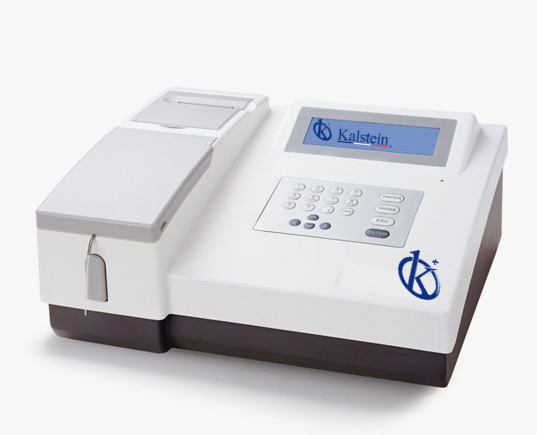
Semi-automatic Chemistry Analyzer YR05115
The YR05115 model is equipped with an RS232 interface, making it suitable for LIMS integration. It has real-time curve visualization and preprogrammed tests, which enhance data reporting capabilities.
Semi-automatic Chemistry Analyzer YR05114
This model also features RS232 connectivity and is compatible with various testing modes. Its robustness allows it to integrate seamlessly with existing LIMS, ensuring data accuracy.
Portable Chemical Analyzer YR06092
The YR06092, being highly portable, allows for data capture in various environments. Its digital LCD display ensures clear data representation and can be connected to LIMS for streamlined reporting.
Automatic Chemistry Analyzer YR06075
With a high throughput capacity of up to 560 tests per hour, the YR06075 is ideal for large laboratories. Its advanced data management capabilities facilitate seamless integration with LIMS.
Benefits of LIMS Integration with Chemical Analyzers
The benefits of LIMS integration with chemical analyzers include:
- Increased Efficiency: Automated data transfer eliminates manual data entry, reducing the risk of human error.
- Improved Data Accuracy: Real-time data capture ensures that results are accurately recorded and easily accessible.
- Enhanced Compliance: Integration supports adherence to regulatory standards by maintaining detailed audit trails and traceability.
Common Challenges in LIMS Integration and How to Overcome Them
Despite the advantages, integrating chemical analyzers with LIMS can pose challenges such as compatibility issues, data standardization, and training needs. Address these by:
- Conducting Compatibility Assessments: Prior to integration, ensure your analyzer supports the required connectivity and data output protocols.
- Standardizing Data Formats: Establish common data formats to ensure seamless communication between systems.
- Providing Comprehensive Training: Equip staff with the necessary training on new protocols and data management practices.
Comparison of Available Models
| Model | Connectivity | Protocols Supported | Integration Effort | Best For |
|---|---|---|---|---|
| YR05115 | RS232 | ASTM | Medium | General Use |
| YR05114 | RS232 | HL7 | Medium | General Use |
| YR06092 | USB | REST | Low | Field Work |
| YR06075 | Ethernet | HL7 | High | High-Throughput Labs |
Common Mistakes and How to Avoid Them
Laboratories often encounter several pitfalls during the LIMS integration process. A common mistake is underestimating the importance of user training, which can lead to data entry errors and inefficiencies. To avoid this, ensure comprehensive training programs are implemented. Another mistake is neglecting to conduct compatibility checks, which can result in integration failures. Prioritize assessments of software and hardware compatibility before proceeding.
Frequently Asked Questions
How can I ensure effective LIMS integration with a chemical analyzer?
To ensure effective LIMS integration with a chemical analyzer, select models like the YR06075, which offer robust Ethernet connectivity and support for HL7 protocols, streamlining data transmission and compatibility.
What are the connectivity options for chemical analyzers in LIMS?
Connectivity options for chemical analyzers in LIMS include RS232, USB, and Ethernet, allowing seamless data transfer. Models like the YR05115 and YR06092 are equipped with these various connectivity options.
Which chemical analyzer model is best for high-throughput labs using LIMS?
The YR06075 model is best for high-throughput labs as it supports up to 560 tests per hour and integrates efficiently with LIMS, ensuring rapid data management.
What challenges might I face with LIMS integration of chemical analyzers?
Challenges may include compatibility issues, data standardization, and user training. Ensuring thorough compatibility assessments and training can mitigate these challenges effectively.
How does LIMS integration benefit data accuracy in chemical analysis?
LIMS integration enhances data accuracy by automating data transfer from chemical analyzers, such as the YR05114, reducing manual entry errors and ensuring real-time data availability.
What protocols should I look for in a chemical analyzer for LIMS integration?
Look for protocols such as HL7 and ASTM, which facilitate compatibility with LIMS. Models like YR05115 and YR06075 support these protocols, ensuring effective integration.
How does real-time data visualization impact chemical analysis workflows?
Real-time data visualization, as offered by models like YR05115, significantly improves workflows by allowing immediate access to results, enhancing decision-making and efficiency in analysis.
What is the cost-benefit analysis of integrating chemical analyzers with LIMS?
Integrating chemical analyzers with LIMS can lead to significant cost savings in labor and error reduction. For example, the YR06075 offers an automated workflow that decreases operational costs over time.
If you are looking for a fusion of innovation and quality, you have come to the right place. At Kalstein, we offer you the luxury of exploring our exclusive catalog of laboratory equipment. We manufacture every device to the highest standards of excellence. Our intuitive and seamless online purchasing channels are designed for your convenience, securing the most competitive prices. Hesitate no longer — we bring science to life, it is time to become part of our community.