Misuratori di Conducibilità Portatili: Errori Comuni e Come Evitarli nell'Operazione Quotidiana 2026
A cosa serve nel 2026
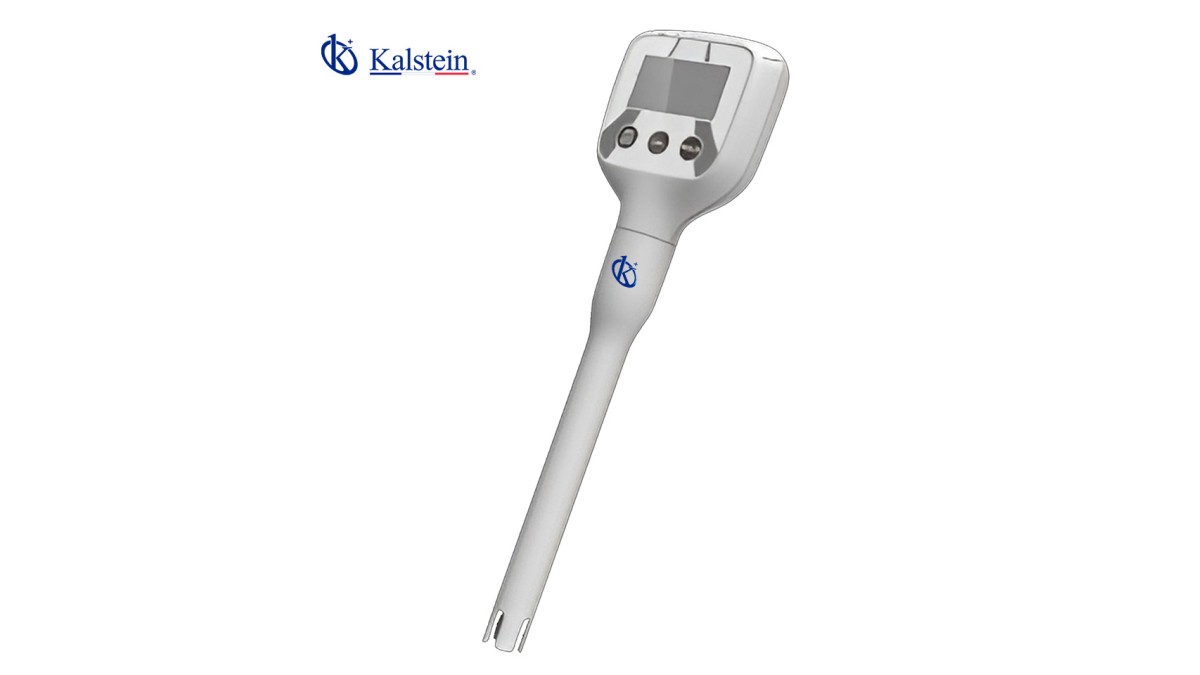
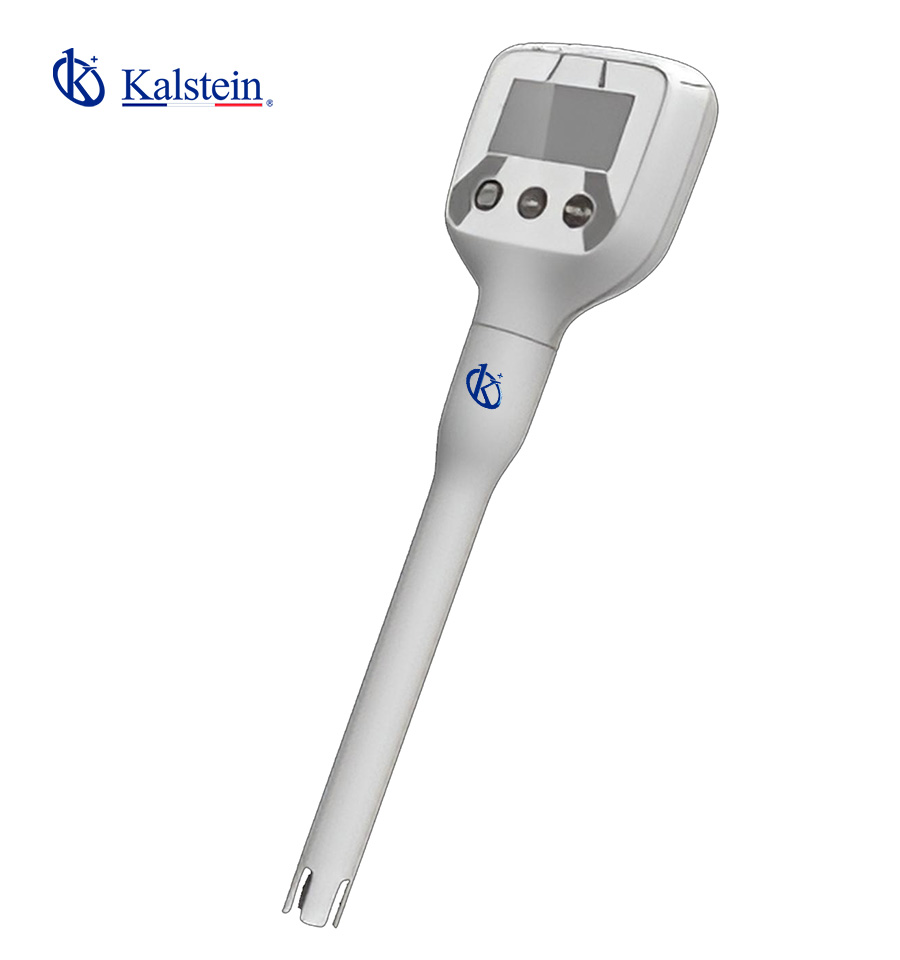
I misuratori di conducibilità portatili svolgono un ruolo cruciale in contesti di laboratorio e sul campo, utilizzati principalmente per misurare la conducibilità elettrica delle soluzioni. Questa misurazione è vitale per valutare la concentrazione di ioni nei liquidi, essenziale in varie applicazioni, tra cui il test della qualità dell'acqua, il monitoraggio ambientale e l'analisi chimica. Nel 2026, questi dispositivi sono più avanzati, offrendo maggiore precisione, durata e facilità d'uso. Sono ampiamente utilizzati in settori come agricoltura, farmaceutica, alimenti e bevande, e istruzione.
Storia ed evoluzione della tecnologia
Il concetto di misurare la conducibilità risale all'inizio del XIX secolo, con l'introduzione dei primi misuratori di conducibilità. Inizialmente, questi dispositivi erano ingombranti e limitati nella funzionalità. Nel corso degli anni, i progressi tecnologici hanno portato allo sviluppo di misuratori di conducibilità portatili, rendendoli più accessibili e pratici per l'uso quotidiano. I dispositivi moderni ora presentano sensori migliorati, compensazione automatica della temperatura e capacità di archiviazione dei dati, consentendo agli utenti di ottenere letture accurate in tempo reale.
Come usarlo passo dopo passo
Utilizzare un misuratore di conducibilità portatile comporta diversi passaggi semplici:
- Preparazione: Assicurati che il misuratore sia pulito e calibrato. Se necessario, esegui la calibrazione utilizzando soluzioni standard.
- Accensione: Accendi il dispositivo e lascialo stabilizzare per un momento.
- Immergi l'elettrodo: Immergi l'elettrodo nella soluzione che desideri misurare, assicurandoti che sia adeguatamente coperto.
- Attendi la lettura: Lascia che il misuratore fornisca una lettura stabile. Questo potrebbe richiedere alcuni secondi.
- Registra i dati: Annota la lettura visualizzata sullo schermo e eventuali condizioni ambientali rilevanti (ad es. temperatura).
- Pulizia: Risciacqua l'elettrodo con acqua distillata per prevenire la contaminazione incrociata tra i campioni.
Migliori tecniche e protocolli
Per ottenere risultati ottimali quando si utilizzano misuratori di conducibilità portatili, segui queste migliori tecniche:
- Calibra sempre il dispositivo prima dell'uso, idealmente prima di ogni sessione di misurazione.
- Utilizza standard di calibrazione freschi per garantire precisione.
- Tieni l'elettrodo pulito, risciacquandolo con acqua distillata tra le misurazioni.
- Conserva l'elettrodo secondo le linee guida del produttore per prolungarne la vita utile.
- Registra tutte le misurazioni e le condizioni per identificare le tendenze nel tempo.
Applicazioni pratiche per tipo di laboratorio
Diversi laboratori utilizzano i misuratori di conducibilità portatili in vari modi:
- Laboratori Ambientali: Testare la salinità e la purezza delle fonti d'acqua.
- Laboratori Agricoli: Misurare la conducibilità del suolo e dell'acqua di irrigazione per valutare i livelli di nutrienti.
- Laboratori di Alimenti e Bevande: Garantire la qualità del prodotto monitorando le concentrazioni di sale negli alimenti.
- Laboratori Farmaceutici: Verificare la purezza di soluzioni e composti.
Regolamenti, standard e certificazioni
Nel 2026, la conformità a vari regolamenti del settore è essenziale quando si utilizzano misuratori di conducibilità portatili. Standard come ISO 17025 per la competenza di laboratorio e ASTM D1125 per la qualità dell'acqua guidano l'uso e la calibrazione di questi dispositivi. Assicurarsi che il proprio misuratore di conducibilità portatile soddisfi questi standard può migliorare l'affidabilità e la qualità dei risultati.
Confronto con tecnologie alternative
Sebbene i misuratori di conducibilità portatili siano ampiamente utilizzati, sono disponibili tecnologie alternative:
- Misuratori di Conducibilità da Banco: Offrono generalmente maggiore precisione e sono adatti per ambienti di laboratorio.
- Sonde Multiparametriche: Consentono la misurazione simultanea di più parametri (ad es. pH, torbidità) ma possono essere più complesse da utilizzare.
Confronto dei modelli disponibili
| Modello | Ideale per | Specifiche chiave | Uso consigliato |
|---|---|---|---|
| YR01805 | Misurazioni generali di conducibilità | 0~10 mS/cm, ±3%FS | Lavoro sul campo nel test della qualità dell'acqua |
| YR01806 | pH e conducibilità completi | Intervallo pH: -2.00~19.99, Conducibilità: 0.00~19.99 mS/cm | Analisi di laboratorio che richiede misurazioni dettagliate |
| YR01808 | Conducibilità multi-intervallo | 0 a 20.00 mS/cm, Precisione: 1% F.S. | Utilizzo in laboratori che necessitano di misurazioni di concentrazione variabile |
| YR01809 | Misurazioni TDS multiparametriche | Intervallo: 0 a 20.00 mS/cm, Precisione: 1% F.S. | Applicazioni che richiedono dati TDS e conducibilità |
| YR01810 | Misurazioni di salinità | Intervallo di salinità: 0.00 a 10.00 ppt | Studi marini e analisi dell'acqua salata |
| YR01811 | Misurazioni a bassa concentrazione | 0.5 a 100.0 ppm, Precisione: 1% F.S. | Testare la qualità dell'acqua potabile |
Errori comuni e come evitarli
Quando si utilizzano misuratori di conducibilità portatili, diversi errori comuni possono portare a letture imprecise:
- Non calibrare: Calibra sempre prima dell'uso per garantire precisione.
- Pulizia inadeguata: Risciacqua l'elettrodo accuratamente per evitare contaminazioni.
- Ignorare gli effetti della temperatura: Utilizza le funzioni di compensazione automatica della temperatura quando disponibili.
- Non documentare le misurazioni: Tieni registri dettagliati per riferimento e analisi delle tendenze.
Manutenzione, calibrazione e buone pratiche 2026
La manutenzione quotidiana è essenziale per garantire la longevità e l'affidabilità dei misuratori di conducibilità portatili:
- Conserva il dispositivo in un luogo pulito e asciutto quando non è in uso.
- Ispeziona regolarmente l'elettrodo per usura e danni.
- Calibra il misuratore almeno una volta al mese o secondo le raccomandazioni del produttore.
- Segui i protocolli di pulizia adeguati per mantenere l'integrità dell'elettrodo.
Analisi costi-benefici 2026
Investire in misuratori di conducibilità portatili può portare a benefici significativi. Il costo dei misuratori di alta qualità varia da circa $24 a $149, a seconda delle caratteristiche. I vantaggi includono:
- Maggiore precisione nelle misurazioni, portando a decisioni migliori.
- Risparmio di tempo nei test sul campo e in laboratorio.
- Versatilità nelle applicazioni in diversi tipi di laboratorio.
Considerando i benefici a lungo termine, l'investimento iniziale in un misuratore di conducibilità portatile è spesso giustificato dall'efficienza e dall'affidabilità che fornisce.
Domande frequenti
Quali fattori dovrei considerare quando scelgo un misuratore di conducibilità portatile?
Considera fattori come l'intervallo di misurazione, la precisione, la facilità d'uso e funzionalità aggiuntive come la compensazione automatica della temperatura e le capacità di registrazione dei dati.
Come posso garantire letture accurate con un misuratore di conducibilità portatile?
Assicurati letture accurate calibrando regolarmente il misuratore, risciacquando l'elettrodo tra le misurazioni e utilizzando soluzioni di calibrazione fresche.
Posso utilizzare un misuratore di conducibilità portatile per diversi tipi di soluzioni?
Sì, i misuratori di conducibilità portatili possono essere utilizzati per varie soluzioni, ma assicurati che il modello scelto sia adatto per l'intervallo di conducibilità delle soluzioni che intendi misurare.
Con quale frequenza dovrei calibrare il mio misuratore di conducibilità portatile?
La frequenza di calibrazione dipende dall'uso; tuttavia, è consigliabile calibrare prima di ogni sessione o almeno una volta al mese.
Qual è l'importanza della compensazione della temperatura nelle misurazioni di conducibilità?
La compensazione della temperatura è cruciale poiché le misurazioni di conducibilità possono variare significativamente con i cambiamenti di temperatura, influenzando la precisione. La compensazione automatica aiuta a correggere queste variazioni.
Ci sono pratiche specifiche di manutenzione che dovrei seguire?
Le pratiche chiave di manutenzione includono la pulizia dell'elettrodo dopo ogni uso, la corretta conservazione e il controllo regolare per segni di usura o danni.
Come posso richiedere un preventivo per i misuratori di conducibilità portatili?
Puoi richiedere un preventivo contattando il nostro team di vendita o visitando il nostro sito web per ulteriori informazioni sui modelli disponibili e sui prezzi.
Se stai cercando una fusione di innovazione e qualità, sei nel posto giusto. Da Kalstein, ti offriamo il lusso di esplorare il nostro catalogo esclusivo di attrezzature da laboratorio. Produciamo ogni dispositivo secondo i più alti standard di eccellenza. I nostri canali di acquisto online intuitivi e senza soluzione di continuità sono progettati per la tua comodità, garantendo i prezzi più competitivi. Non esitare oltre — portiamo la scienza alla vita, è tempo di diventare parte della nostra comunità.